Contact me via WhatsApp Chat with Catalina on WhatsApp

Tag: slow travel Egypt

  • Nile Narratives: A Timeless Journey Through the Heart of Egypt

    Nile Narratives: A Timeless Journey Through the Heart of Egypt

    Discover ancient temples, desert landscapes, and living traditions while sailing along the legendary Nile River

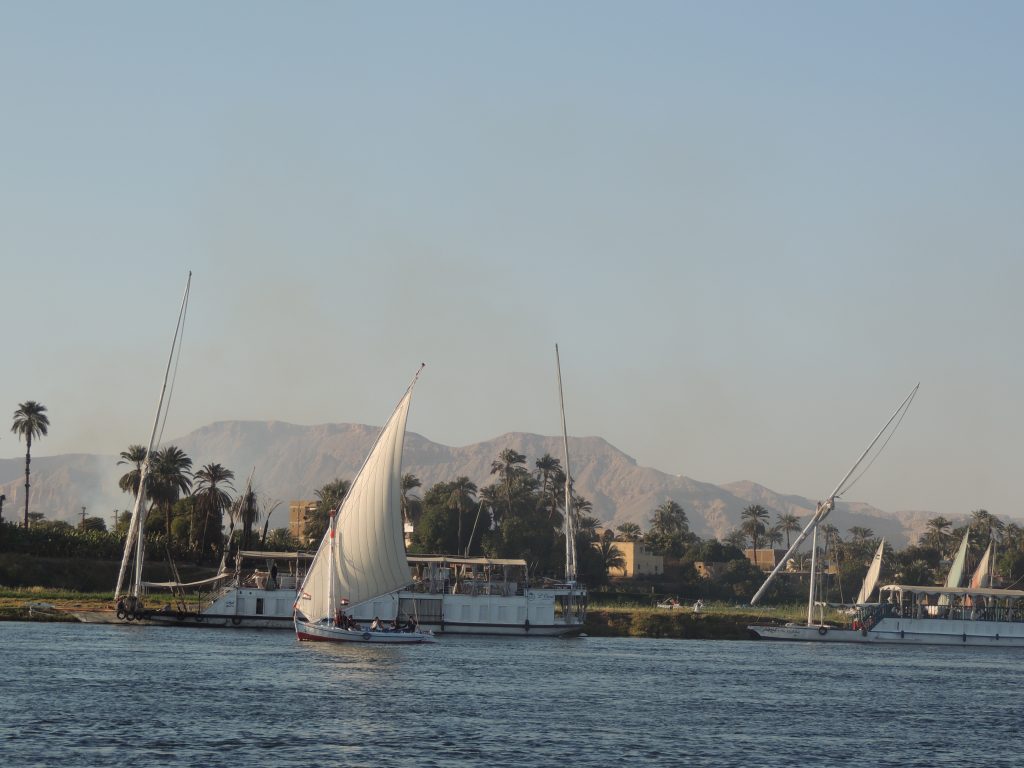
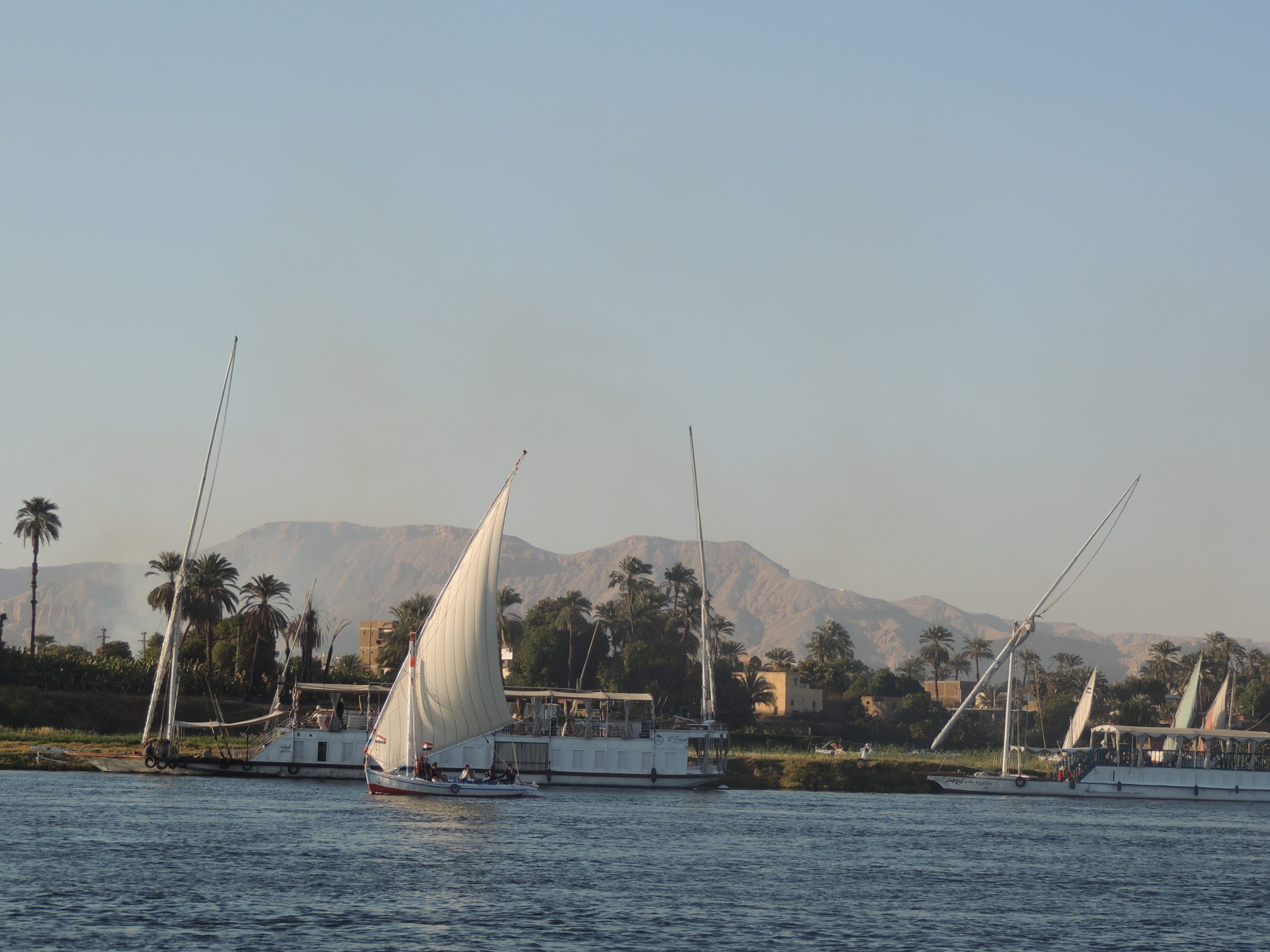
    Traditional Egyptian feluccas sailing on the Nile River near Aswan with palm trees and desert mountains in the background
    Sailing the Nile where desert, river, and life meet.

    The Nile River has been the lifeblood of Egypt for more than five thousand years. Along its fertile banks rose temples, cities, and monuments that still inspire wonder today. From the pyramids of Giza to the temples of Luxor and the quiet villages of Upper Egypt, the Nile tells the story of one of the world’s most extraordinary civilizations.

    A journey along the Nile is not simply a trip through a landscape. It is a passage through history, where every bend of the river reveals traces of pharaohs, explorers, and ancient myths that shaped the civilization of ancient Egypt.

    At EgyptDiscovering, our journeys invite travelers to experience Egypt slowly and authentically, sailing the river as generations have done for millennia.

    Sailing the Nile: Egypt’s Ancient Highway

    For thousands of years, the Nile served as the main artery of Egyptian life. Goods, people, and ideas moved along its waters, connecting cities from the Mediterranean to Nubia.

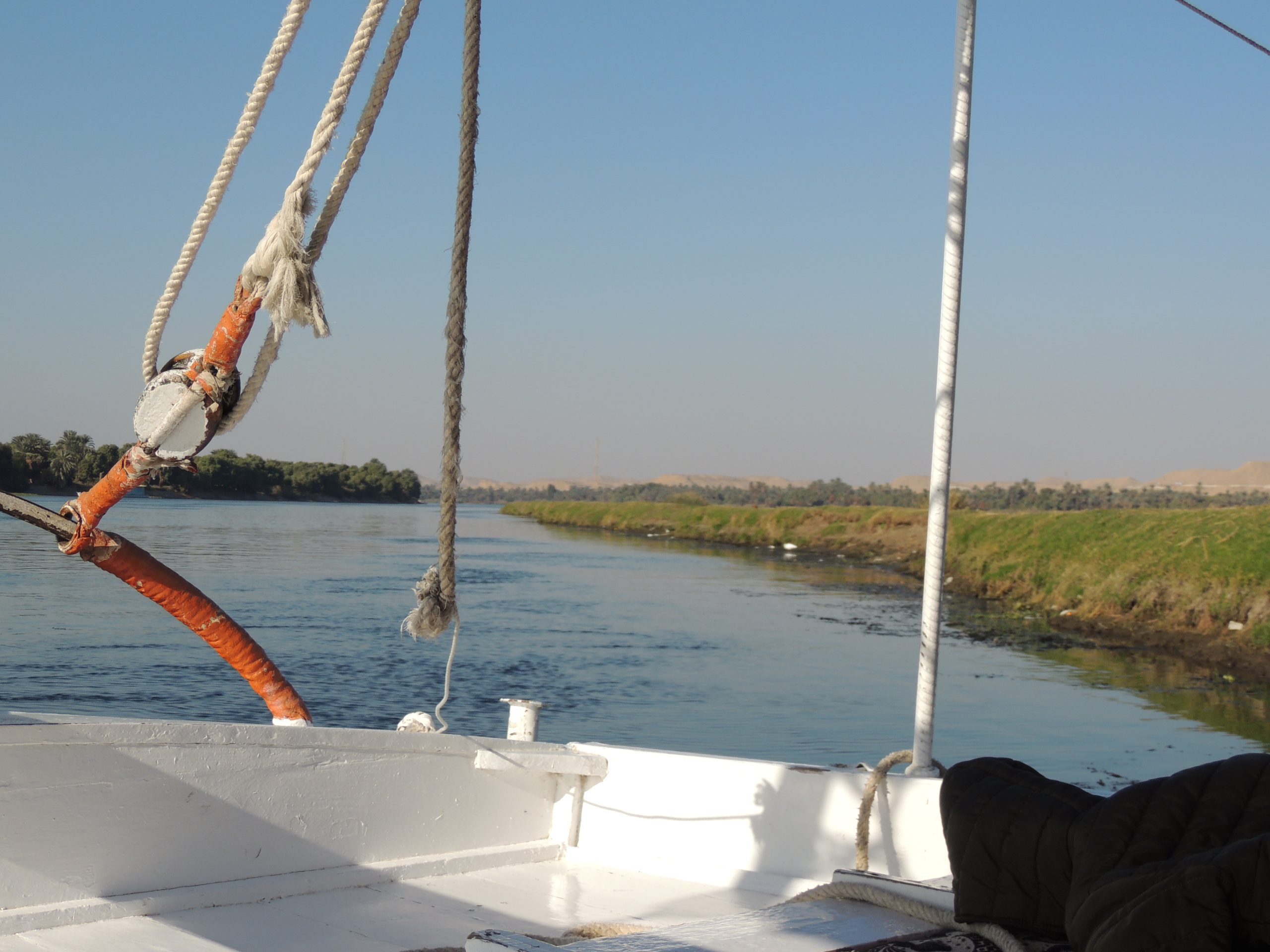
    Today, sailing the Nile remains one of the most extraordinary ways to explore Egypt. Traditional felucca boats glide quietly across the water, offering a peaceful and intimate way to experience the landscape that shaped Egyptian civilization.

    As the sail catches the desert wind and the river flows gently beneath the boat, travelers experience Egypt in a rhythm that has changed little since the age of the pharaohs.

    Ancient Monuments Along the Nile

    The Nile Valley is home to some of the most famous archaeological sites in the world. Many of Egypt’s greatest monuments were built along the river, linking religion, power, and geography.

    The Pyramids of Giza

    The Pyramids of Giza, built more than 4,500 years ago, remain one of the most remarkable architectural achievements in human history. These monumental tombs symbolize the power of the pharaohs and their belief in eternity.

    Karnak and Luxor Temples

    Further south, the vast temple complexes of Karnak and Luxor reveal the grandeur of Egypt’s New Kingdom. Massive columns, towering obelisks, and sacred processional avenues reflect centuries of devotion to the gods of ancient Egypt.

    Abu Simbel

    Near the southern border of Egypt stands Abu Simbel, the spectacular temple built by Ramses II. Its colossal statues carved into the rock face guard the entrance to one of the most impressive monuments of ancient Egyptian architecture.

    Life Along the Nile Today

    The Nile is not only a river of ancient history. It is also the heart of modern Egyptian life.

    Villages along the riverbanks maintain traditions that stretch back thousands of years. Farmers cultivate the fertile floodplains, fishermen cast their nets at sunrise, and markets bustle with the colors and aromas of daily life.

    Traveling along the Nile allows visitors to witness this living culture while discovering how ancient traditions continue to shape Egypt today.

    Nights Under the Egyptian Stars

    Far from the lights of large cities, the Nile Valley offers extraordinary views of the night sky.

    As a felucca drifts quietly along the river, the desert sky fills with stars. These same constellations once guided ancient Egyptian astronomers and priests as they studied the heavens and connected the movement of the stars with the cycles of the Nile.

    Few travel experiences compare with watching the stars reflected in the waters of the Nile while the desert grows silent around you.

    Experience the Nile with EgyptDiscovering

    At EgyptDiscovering, our journeys are designed to connect travelers deeply with Egypt’s landscapes, history, and culture.

    Our Nile experiences combine:

    • traditional felucca sailing
    • visits to iconic temples and archaeological sites
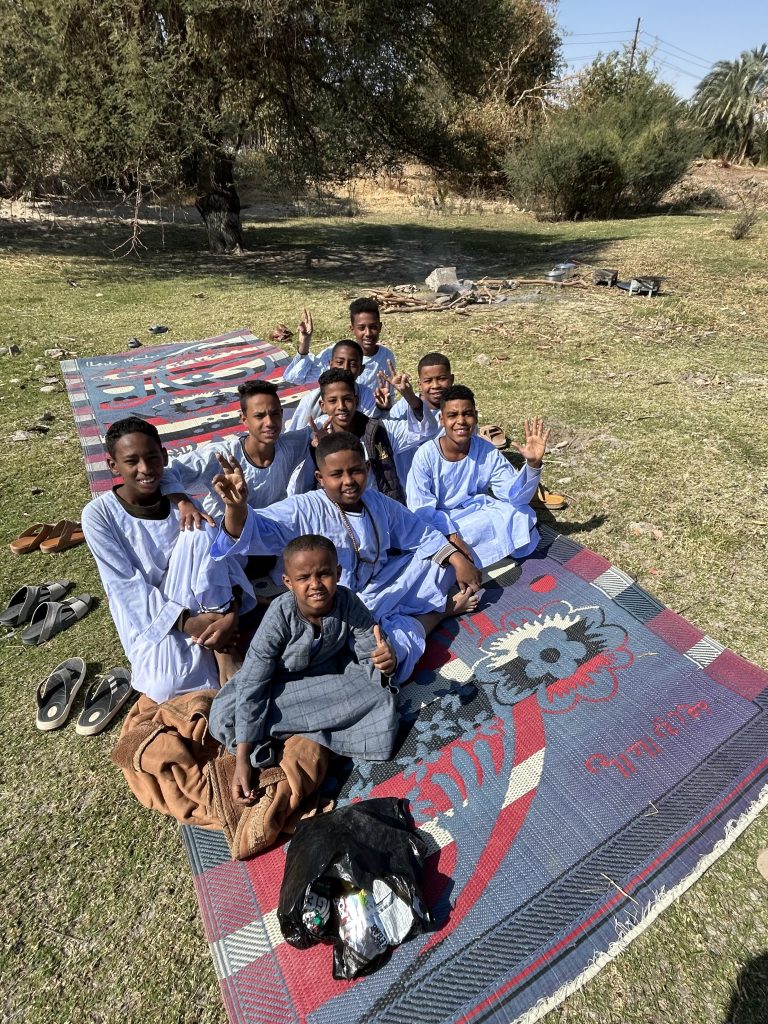
    • encounters with local communities
    • peaceful nights under the desert sky

    We believe travel should be immersive, respectful, and meaningful—an opportunity not only to see Egypt but to truly understand it.

    Begin Your Nile Journey

    The Nile has carried travelers, traders, and explorers for thousands of years. Today it invites you to discover Egypt in the most timeless way possible.

    Join EgyptDiscovering and experience the magic of sailing through the heart of one of the world’s greatest civilizations.

    To learn more about our journeys or reserve your Nile experience:

    book@egyptdiscovering.com

    Let the Nile guide you through Egypt’s past, present, and enduring stories.

  • Sustainable Tourism in Egypt: Sailing the Nile Without Pollution — A Real Case Study from EgyptDiscovering

    Sustainable Tourism in Egypt: Sailing the Nile Without Pollution — A Real Case Study from EgyptDiscovering

    Eco-Friendly Nile Cruises on Traditional Boats Supporting Local Communities and Protecting the River

    Sustainable tourism in Egypt is no longer a theory — it is a necessity. The Nile, one of the world’s most fragile cultural and cultural ecosystems, faces increasing pressure from mass tourism and large diesel-powered cruise ships. While these floating hotels promise luxury, they often contribute to pollution, noise, and economic leakage away from local communities.

    But there is another way to travel the Nile — slower, cleaner, and profoundly more human.

    EgyptDiscovering offers eco-friendly Nile sailing experiences on traditional boats such as feluccas, dahabiyas, and sendals. These journeys are powered primarily by wind, guided by local captains, and rooted in authentic cultural exchange. The goal is simple: protect the river, support local families, and preserve a heritage that has existed for thousands of years.

    Watch: Sustainable Nile Sailing Experience with EgyptDiscovering

    A Different Kind of Nile Cruise: Wind Instead of Diesel

    Ah yes, the infamous Nile cruises — those behemoth floating hotels gliding up and down the river like misplaced shopping malls. They promise five-star luxury, but often deliver crowded decks, constant engine noise, and a faceful of fumes. Romantic, perhaps… if carbon monoxide with a sunset view and a soundtrack of repetitive pop music is your thing.

    Traditional sailing offers something entirely different. Silence. Space. Time.

    EgyptDiscovering operates feluccas, dahabiyas, and traditional sendals — elegant wooden boats that once carried pharaohs, merchants, and travelers for centuries. We do it the old-fashioned way: with sails, with patience, and with genuine human connection.

    Sustainable Tourism Means Supporting Real People

    We are not a conventional travel agency. EgyptDiscovering is a family-rooted initiative built around sustainable tourism principles and respect for the Nile ecosystem.

    When you travel with us, your investment directly supports the local economy. Captains, cooks, farmers, artisans, and village families benefit from tourism income that stays within the region rather than flowing to international corporations. This model creates economic resilience while maintaining cultural identity.

    Your journey pays the captain who learned to read the wind from his grandfather.

    It supports the cook whose lentil soup becomes a memory you carry home.

    It sustains families whose knowledge of the river is older than most modern nations.

    That is the kind of tourism economy we believe in — not for the few, but for the future.

    Protecting the Nile Through Responsible Travel

    Sustainable tourism is not only about environmental protection — it is about dignity. Tourism should improve the lives of host communities, not overwhelm them.

    Large cruise ships can transport hundreds of passengers at once, but they often disconnect travellers from the very culture they came to experience. Traditional sailing, by contrast, creates space for conversation, learning, and genuine encounters with daily life along the Nile.

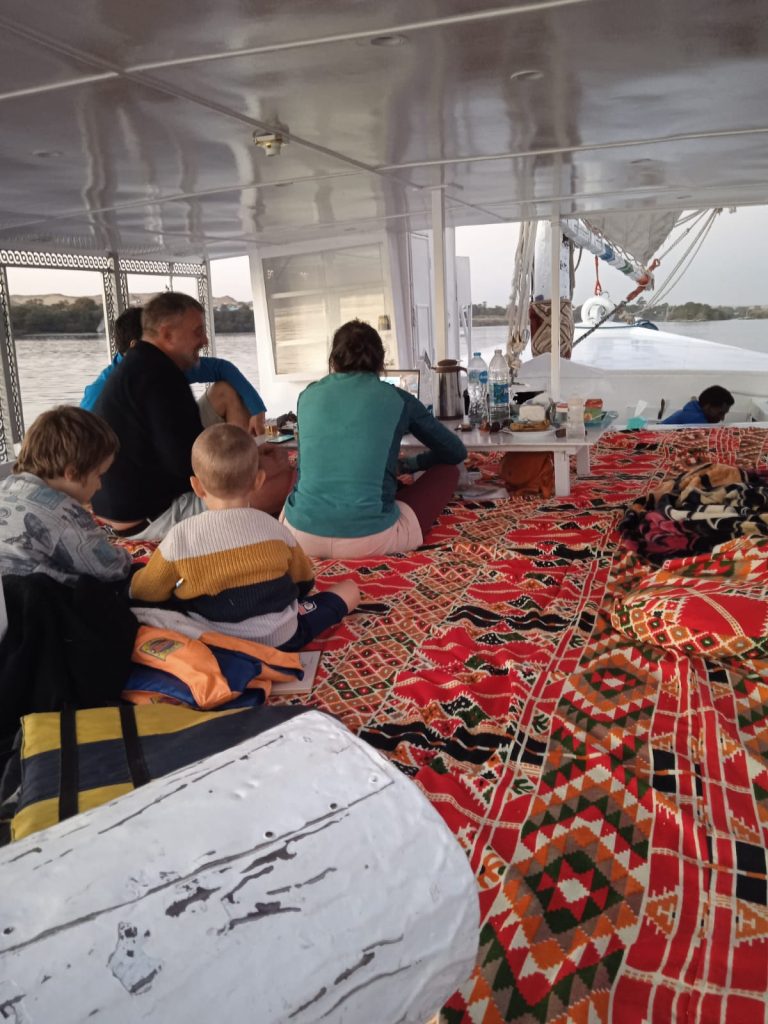
    Guests share meals prepared from local ingredients, listen to Nubian music at sunset, and wake to landscapes that have changed little since ancient times. This is not staged authenticity — it is lived reality.

    By relying primarily on wind power and maintaining small group experiences, EgyptDiscovering reduces environmental impact while preserving cultural heritage and traditional navigation knowledge.

    More Than Travel: Preserving a Living Heritage

    EgyptDiscovering is committed to long-term sustainable development. In a region where industrial tourism increasingly dominates the river, traditional sailing risks disappearing. Promoting responsible travel helps protect maritime knowledge, local employment, and cultural continuity.

    Tourism should not only delight the traveller — it should also dignify the host.

    With EgyptDiscovering, you don’t just float through Egypt. You become part of its living story. You sip tea under the stars, hear drums at dusk, and wake up to the sun rising over a river that still breathes ancient secrets.

    Choosing Sustainable Tourism in Egypt Is an Ethical Decision

    Choosing sustainable tourism in Egypt is not only a travel choice — it is a conscious one.

    By sailing with EgyptDiscovering, travellers reduce environmental impact, support local communities, and experience the Nile in a way that large cruise ships simply cannot offer.

    The wind becomes the engine.

    The river becomes the guide.

    And the journey becomes part of something larger than tourism — the preservation of a living heritage.

    The Nile has carried civilizations for millennia. With responsible travel, it can continue to do so for generations to come.

  • A New Chapter for Egypt — and for the World’s Heritage

    A New Chapter for Egypt — and for the World’s Heritage

    Will This Bring a New Era of Authentic Cultural Tourism on the Nile?

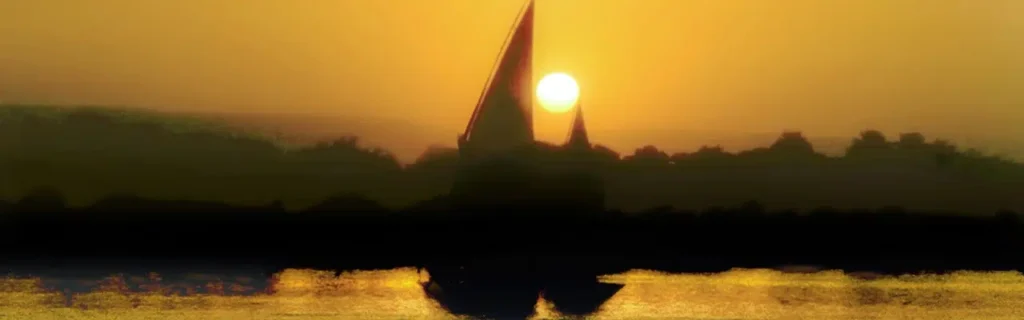
    Felucca Maitea moored on the Nile River at sunset with golden sky and traditional sailing boat in Aswan, Egypt
    Evening calm on the Nile — felucca Maitea ready for the night.

    On 6 October 2025, the world witnessed a moment of profound symbolism. For the first time, an Egyptian was elected Director-General of UNESCO.

    Khaled El-Anany — once a young guide among the timeless stones of Giza — now leads the international organisation responsible for protecting humanity’s cultural and natural heritage.

    Only a few months earlier, in January 2025, he had been appointed Rapporteur of the African World Heritage Fund, reflecting the continent’s confidence in his vision for safeguarding heritage for future generations.¹

    Egypt, Guardian of the Flame of Human Memory

    This achievement is more than a personal success. It represents global recognition of Egypt’s unique role as the cradle of one of the world’s oldest continuous civilisations.

    Across millennia, Egypt has preserved an extraordinary cultural legacy along the Nile — temples, tombs, language, art, and traditions that continue to shape human understanding of history itself.

    While other ancient cultural centres, including parts of Mesopotamia, have suffered devastating losses through war and instability, Egypt has retained a remarkable continuity of heritage.

    The rediscovery of ancient Egypt by European scholars during Napoleon Bonaparte’s expedition in 1799 — including the Rosetta Stone — reignited global fascination and laid the foundations of modern Egyptology. From that moment onward, the Nile returned to the centre of humanity’s historical consciousness.

    Today, Egypt remains a bridge between past and present, where heritage is not only preserved in monuments but lived daily through culture, crafts, and community life.

    Protecting this legacy is not solely an Egyptian responsibility. Cultural heritage belongs to humanity as a whole. Once destroyed, it cannot be replaced.

    Recent conflicts in the Middle East have shown how fragile our shared historical memory can be. Libraries, archaeological sites, and monuments have been lost forever. The preservation of Egypt’s heritage therefore carries global significance.

    A Turning Point for Cultural Tourism in Egypt?

    This historic moment also raises an important question.

    Could new international leadership help reshape the future of tourism in Egypt?

    Egypt does not need more tourists. It needs conscious travellers — visitors who seek understanding, connection, and respect for culture rather than rapid consumption of monuments.

    For decades, mass tourism on the Nile has been dominated by large cruise ships with tight schedules and heavy environmental impact. Noise, pollution, and overcrowding can diminish the very atmosphere that makes Egypt extraordinary.

    Authentic cultural tourism offers another path.

    Travel experiences that move slowly along the river, in harmony with nature and local communities, allow visitors to engage more deeply with Egypt’s history and living traditions.

    The real Egypt is not found in hurried itineraries. It is experienced in the silence of sunset on the Nile, in Nubian villages, in conversations with local families, and in the rhythm of the river itself.

    Traditional sailing journeys — whether on a felucca or a dahabiya — reconnect travellers with this timeless dimension.

    Sailing the Nile — The Living Experience of Heritage

    The most meaningful way to experience Egypt’s heritage is not simply by visiting monuments, but by travelling between them.

    Sailing from Aswan to Luxor on a traditional Nile boat allows visitors to witness landscapes, temples, and daily life as travellers have done for centuries.

    The Nile becomes more than a river. It becomes a teacher.

    Empires have risen and fallen along its banks, yet Egypt’s cultural identity continues to flow forward — resilient, creative, and alive.

    This is the spirit behind EgyptDiscovering.

    Through small-scale Nile journeys guided by local expertise and respect for culture, travellers can experience Egypt beyond tourism — as a living civilisation.

    A New Renaissance of Authentic Travel?

    Perhaps this new chapter at UNESCO will encourage a global shift toward sustainable and culturally respectful tourism.

    Heritage is not only what we preserve in stone. It is what we experience, protect, and share.

    Egypt invites the world not to consume history, but to connect with it.

    And the Nile continues to flow — patient, eternal, and ready to reveal its stories.

    Sail slowly. Travel deeply. Discover Egypt.Egypt, Guardian of the Flame of Human Memory

    Egypt Cultural Tourism and Nile Travel: A New Chapter for Heritage | EgyptDiscovering