
The River That Created Egypt
The history of Ancient Egypt cannot be understood without the Nile River. More than a geographical feature, the Nile was the foundation of Egyptian civilization — economically, culturally, spiritually, and politically. It transformed desert landscapes into fertile land, connected cities and temples, and shaped one of the most influential cultures in human history.
For thousands of years, life in Egypt followed the rhythm of the river. Agriculture, trade, religion, and daily life all depended on the Nile’s predictable cycles. Without the Nile, there would have been no pyramids, no temples, and no pharaonic civilization as we know it today.
Even now, travelers sailing along the Nile between Aswan and Luxor experience landscapes and traditions that remain deeply connected to this ancient relationship between people and river.
The Nile as a Source of Life and Prosperity
Ancient Egypt flourished because of the Nile’s annual flooding. Each year, the river overflowed its banks, depositing nutrient-rich black silt across the valley. This fertile soil allowed Egyptians to cultivate wheat, barley, vegetables, and flax, creating agricultural abundance in the middle of the desert.
This natural cycle supported population growth, economic stability, and political power. Surplus crops could be stored, traded, and taxed, enabling the rise of centralized government and monumental architecture.
The Nile was also Egypt’s main transportation route. Boats carried goods, people, and ideas between Upper and Lower Egypt, linking major cities such as Thebes (Luxor), Memphis, and Aswan. In many ways, the Nile functioned as the ancient world’s most efficient highway, making long-distance communication and trade possible.
Today, a Nile cruise still follows these historic routes, allowing visitors to travel through the same landscapes that sustained Egyptian civilization for millennia.
The Spiritual Meaning of the Nile in Ancient Egypt
The Nile was not only a physical lifeline but also a sacred presence. Egyptians believed the river was a divine gift, personified by the god Hapi, associated with fertility, abundance, and nourishment. The annual flood was seen as a blessing from the gods — a sign that cosmic order, known as Ma’at, remained in balance.
The river was also deeply connected to ideas of death and rebirth. The god Osiris, ruler of the afterlife, was linked symbolically to the Nile’s cycles. Just as the river flooded, receded, and renewed the land, human life was understood as part of a continuous cycle of transformation.
This spiritual symbolism influenced Egyptian architecture and geography. Temples were often built along the Nile’s banks, and burial sites were typically located on the western side of the river, where the sun set — representing the transition to the afterlife.
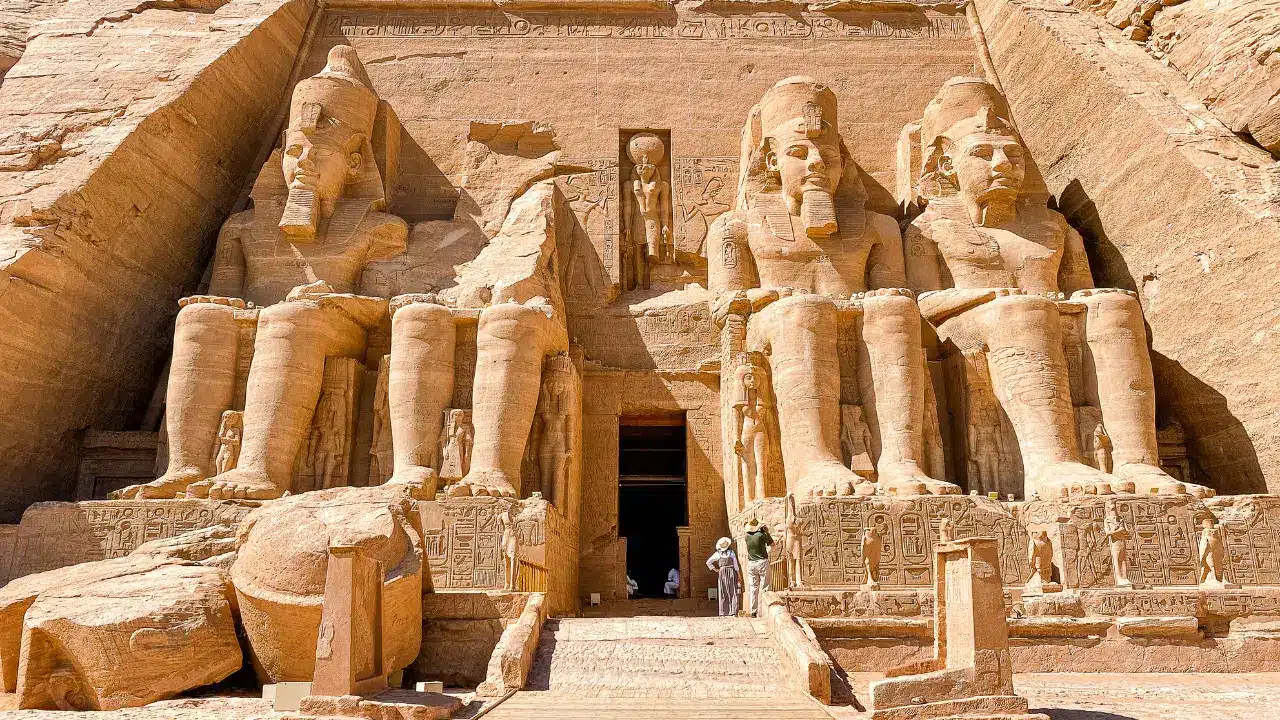
Travelers visiting temples in Luxor, Kom Ombo, Edfu, and Aswan can still sense how closely religion, landscape, and daily life were intertwined.
The Nile as Egypt’s Cultural and Political Backbone
Control of the Nile meant control of Egypt. Pharaohs managed irrigation systems, agricultural production, and transportation networks, reinforcing their authority as both political rulers and divine intermediaries.
The river unified Upper and Lower Egypt, making centralized governance possible and helping sustain one of the longest-lasting civilizations in human history.
Beyond politics, the Nile shaped Egyptian identity. Festivals, myths, calendars, and artistic representations all reflected the river’s importance. The Nile was not separate from Egyptian culture — it was its foundation.
Experiencing the Nile Today: A Journey Through Living History
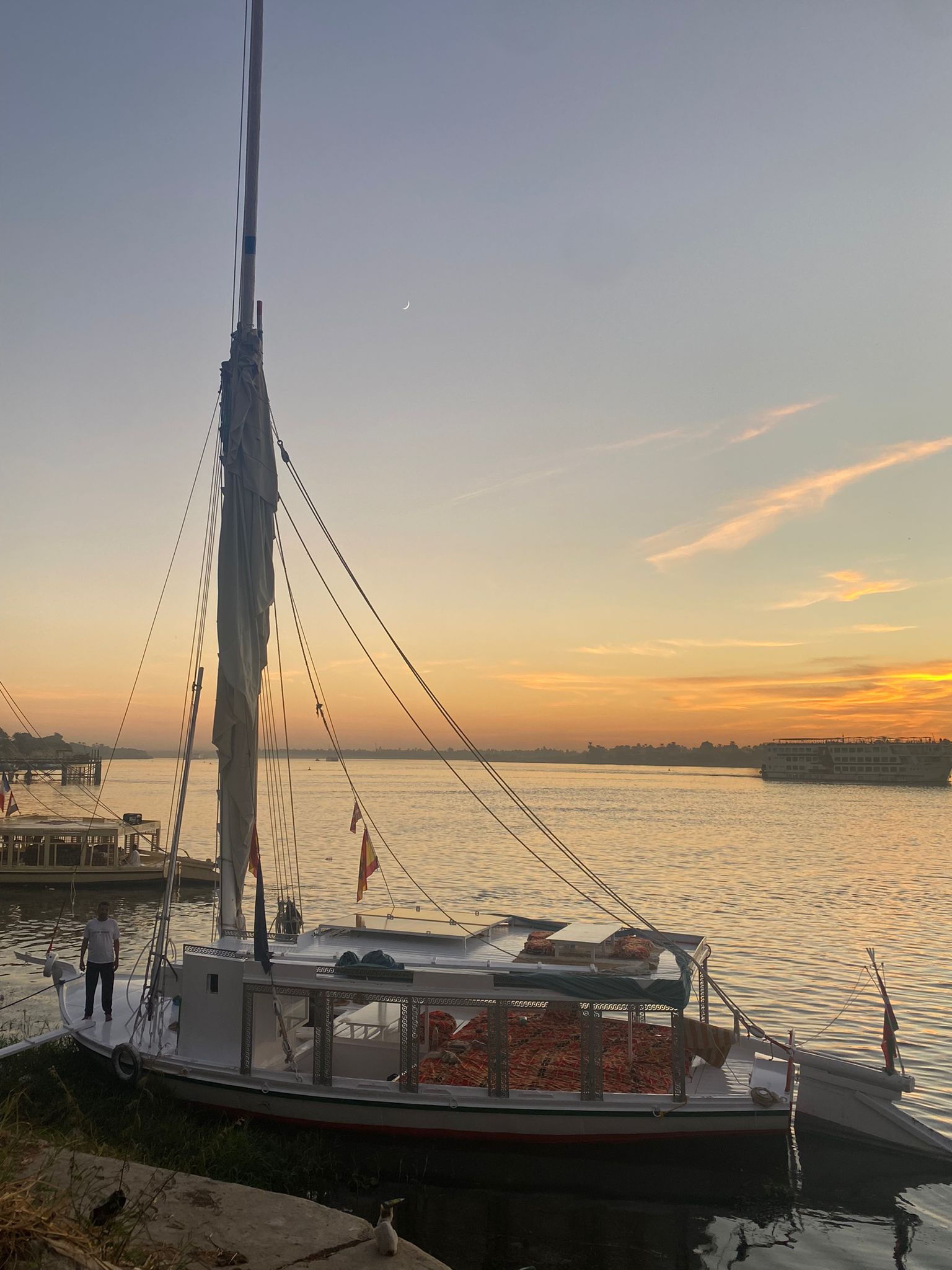
Modern travelers can still experience the profound connection between Egypt and the Nile. Sailing on a traditional felucca or exploring ancient temples along the river offers insight into how geography shaped civilization.
From the peaceful landscapes of Aswan to the monumental temples of Luxor, the Nile remains the thread connecting Egypt’s past and present.
At Egypt Discovering, journeys along the Nile are designed to go beyond sightseeing. They allow travelers to experience authentic Egyptian culture, local communities, and timeless landscapes that reflect thousands of years of history.
The River That Made a Civilisation Possible
Ancient Egypt was not built despite the desert — it was built because of the Nile. The river created fertile land, enabled trade, inspired religion, and unified a nation.
Understanding Egypt means understanding the Nile.
And traveling along the Nile is not simply a trip through geography. It is a journey through the origins of civilization itself.