

A Modern Conservation Lesson from Ancient Egypt
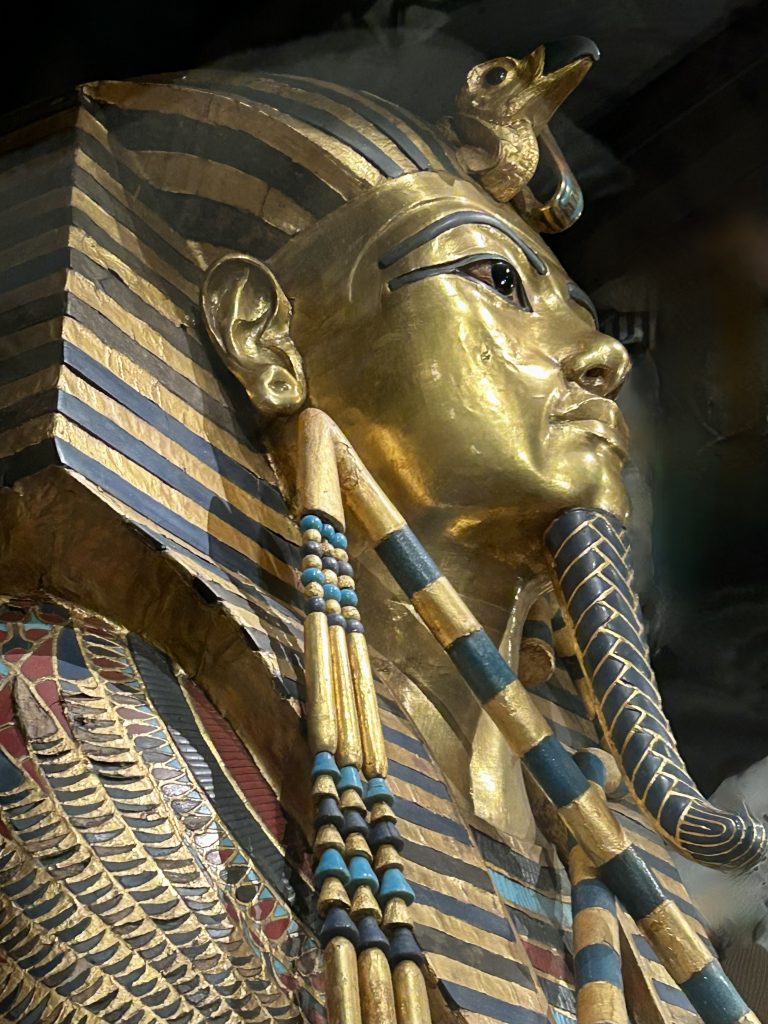
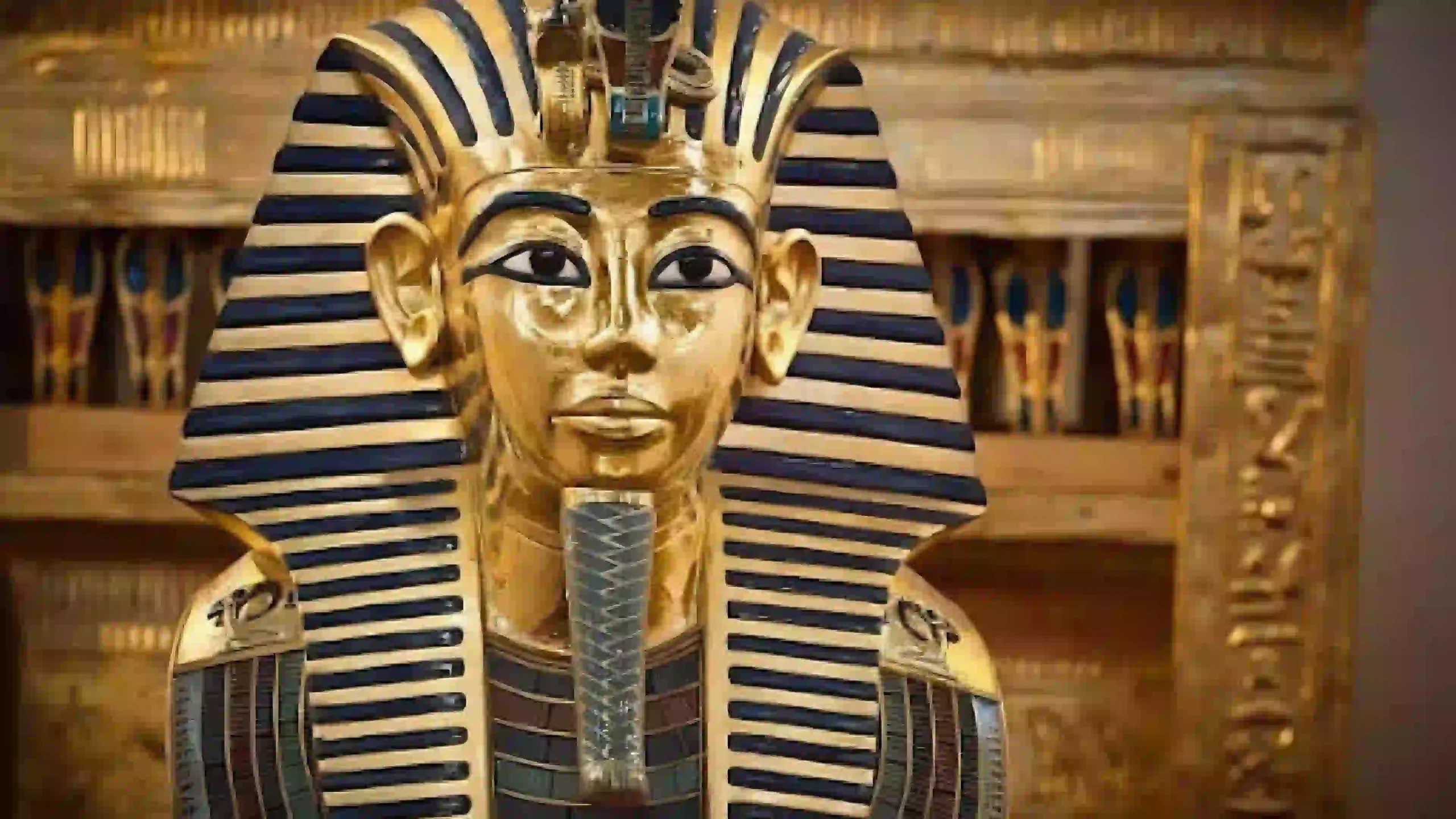
When people think of Ancient Egypt, one of the most recognisable images in the world is the golden funerary mask of Pharaoh Tutankhamun. Discovered in 1922 in the Valley of the Kings, the mask has become a global symbol of Egyptian civilisation, royal power, and artistic mastery.
Yet in 2014, this priceless artefact became the centre of an unexpected controversy — when the famous ceremonial beard attached to the mask broke off during handling at the Egyptian Museum in Cairo. What followed was a restoration mistake that attracted international attention and highlighted the importance of professional conservation methods in preserving world heritage.
The Divine Beard of the Pharaoh
Tutankhamun’s funerary mask, created more than 3,300 years ago, is crafted from gold, semi-precious stones, and coloured glass. Among its most significant features is the long, braided false beard attached to the chin.
In Ancient Egyptian symbolism, the beard represented divine authority. Pharaohs were considered earthly manifestations of the gods, and the ceremonial beard visually reinforced this sacred status. It was not merely decorative — it was a statement of cosmic legitimacy and royal identity.
Understanding this symbolism helps explain why damage to the beard caused such concern among historians, conservators, and the public alike.
The 2014 Accident at the Egyptian Museum
During routine maintenance and cleaning procedures in 2014, the beard accidentally detached from the mask. For museum staff, the situation was extremely stressful: one of the world’s most famous artefacts had been damaged unexpectedly.
In an attempt to resolve the issue quickly, the beard was reattached using epoxy resin — a strong industrial adhesive unsuitable for delicate archaeological objects. The repair created visible residue and misalignment, and later cleaning attempts caused minor scratches to the gold surface.
When images of the repair circulated publicly, criticism followed rapidly from the international conservation community.
Professional Restoration and Scientific Conservation
Following the controversy, a team of Egyptian and German conservators carried out a careful scientific restoration. The incorrect adhesive was removed, and the beard was reattached using reversible conservation materials specifically designed for historic artefacts.
Reversible adhesives are essential in museum conservation because they allow future experts to make corrections without damaging the original object. The restoration successfully returned the mask to its proper condition while preserving its structural integrity.
This episode ultimately became a valuable case study in modern conservation ethics and museum practice.
Tutankhamun’s Legacy: Why Preservation Matters
Tutankhamun remains one of the most important figures in Egyptian history, not because of political achievements, but because the discovery of his nearly intact tomb transformed our understanding of Ancient Egypt.
Today, his treasures — including the famous mask — continue to attract millions of visitors to Egypt, particularly to Cairo’s museums and the archaeological sites of Luxor and the Valley of the Kings.
For travellers exploring Egypt, encountering the legacy of Tutankhamun provides a direct connection to a civilisation that flourished over three millennia ago.
Experiencing Ancient Egypt Today
Visitors travelling along the Nile from Luxor to Aswan can explore the temples, tombs, and landscapes connected to the world of Tutankhamun. Sites such as the Valley of the Kings, Karnak Temple, and Luxor Temple reveal the cultural and spiritual environment in which the young pharaoh lived.
At Egypt Discovering, journeys through Upper Egypt aim to connect travellers not only with monuments but with the deeper history and living heritage that define the country today.
A Story of Human Error and Human Care
The beard incident serves as a reminder that even the most precious cultural treasures depend on human responsibility for their preservation. While the mistake drew global attention, the successful restoration demonstrated the importance of expertise, patience, and scientific methods in protecting heritage.
Tutankhamun’s mask endures as one of humanity’s greatest artistic achievements — a bridge between ancient craftsmanship and modern admiration.