Contact me via WhatsApp Chat with Catalina on WhatsApp

Tag: Egypt travel experience

  • Nile Narratives: A Timeless Journey Through the Heart of Egypt

    Nile Narratives: A Timeless Journey Through the Heart of Egypt

    Discover ancient temples, desert landscapes, and living traditions while sailing along the legendary Nile River
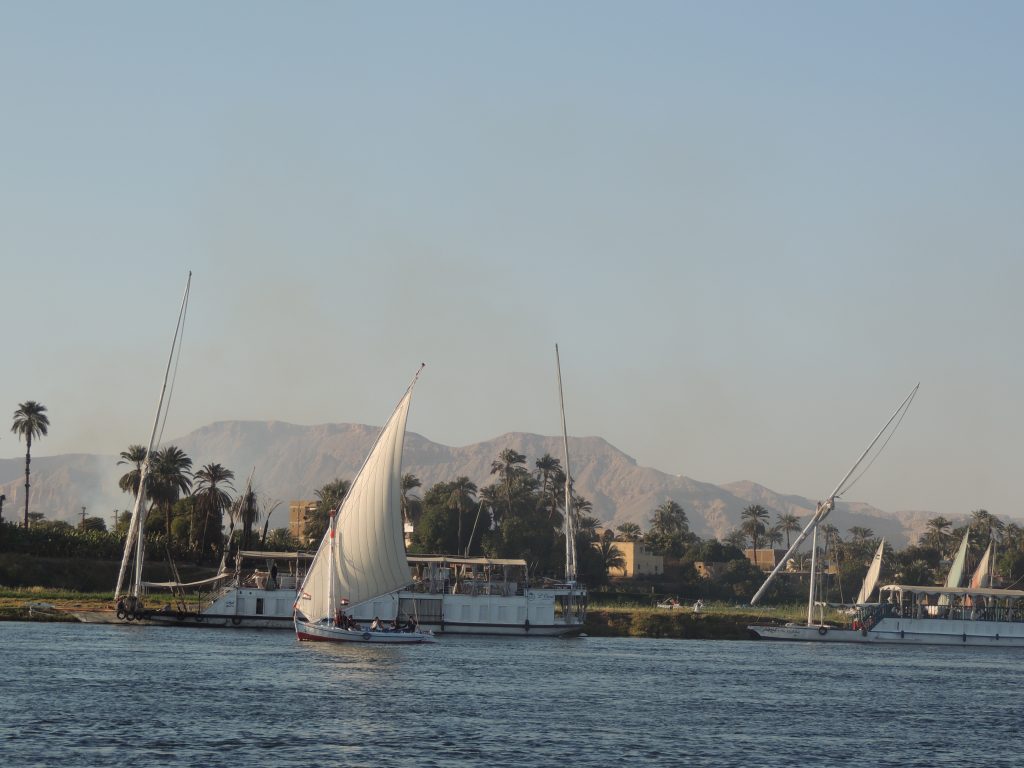
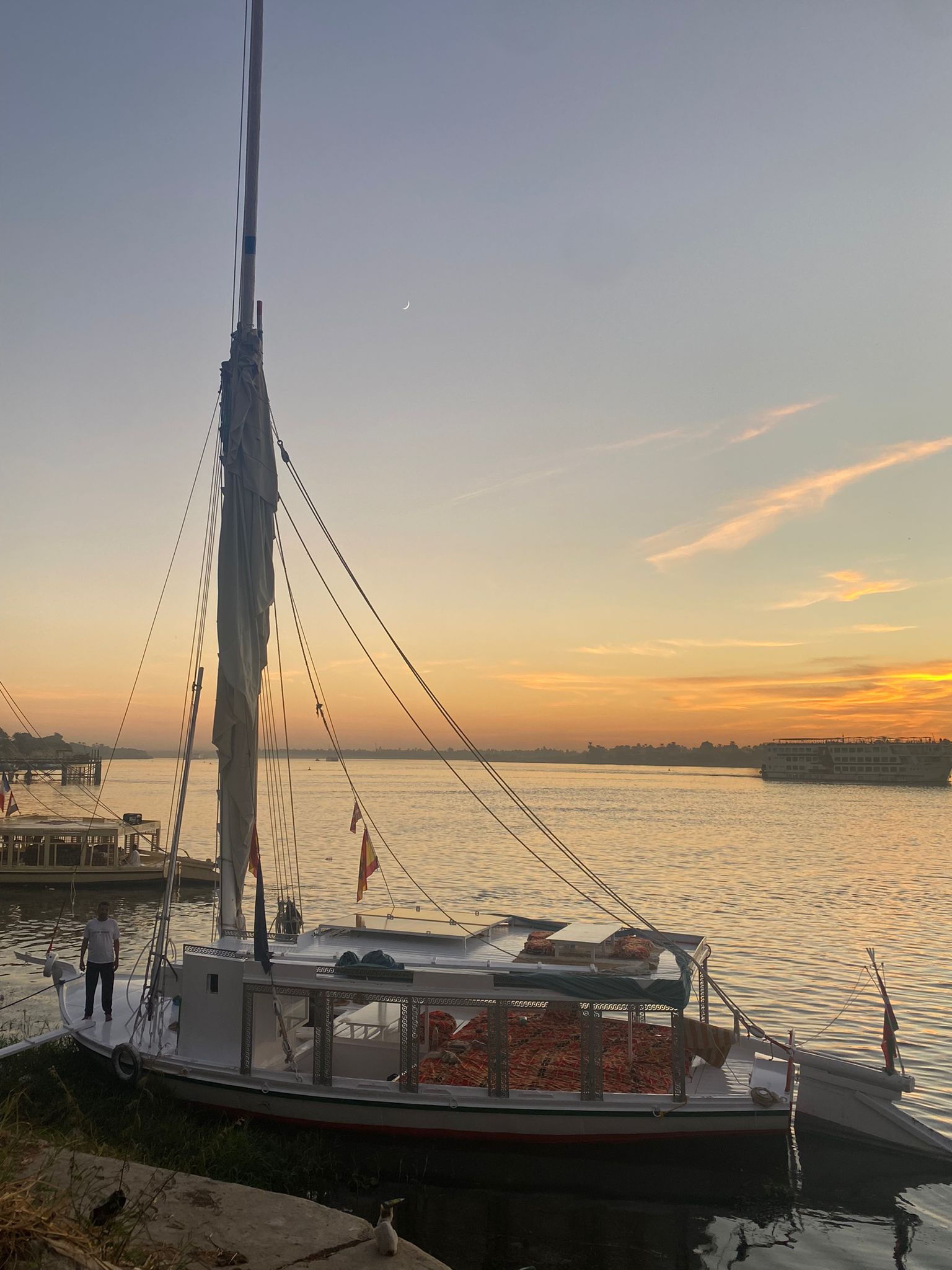
    Traditional Egyptian feluccas sailing on the Nile River near Aswan with palm trees and desert mountains in the background
    Sailing the Nile where desert, river, and life meet.

    The Nile River has been the lifeblood of Egypt for more than five thousand years. Along its fertile banks rose temples, cities, and monuments that still inspire wonder today. From the pyramids of Giza to the temples of Luxor and the quiet villages of Upper Egypt, the Nile tells the story of one of the world’s most extraordinary civilizations.

    A journey along the Nile is not simply a trip through a landscape. It is a passage through history, where every bend of the river reveals traces of pharaohs, explorers, and ancient myths that shaped the civilization of ancient Egypt.

    At EgyptDiscovering, our journeys invite travelers to experience Egypt slowly and authentically, sailing the river as generations have done for millennia.

    Sailing the Nile: Egypt’s Ancient Highway

    For thousands of years, the Nile served as the main artery of Egyptian life. Goods, people, and ideas moved along its waters, connecting cities from the Mediterranean to Nubia.

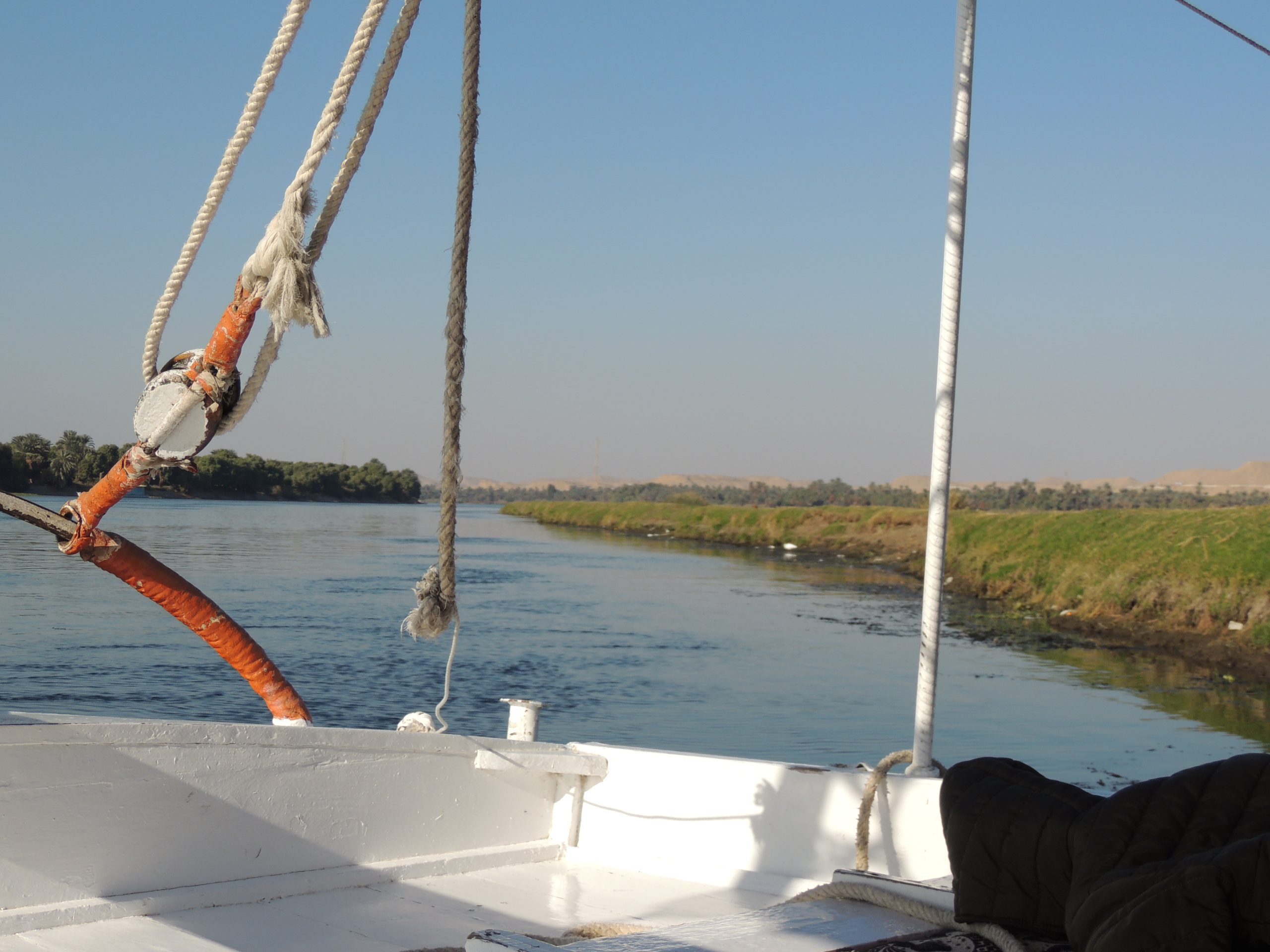
    Today, sailing the Nile remains one of the most extraordinary ways to explore Egypt. Traditional felucca boats glide quietly across the water, offering a peaceful and intimate way to experience the landscape that shaped Egyptian civilization.

    As the sail catches the desert wind and the river flows gently beneath the boat, travelers experience Egypt in a rhythm that has changed little since the age of the pharaohs.

    Ancient Monuments Along the Nile

    The Nile Valley is home to some of the most famous archaeological sites in the world. Many of Egypt’s greatest monuments were built along the river, linking religion, power, and geography.

    The Pyramids of Giza

    The Pyramids of Giza, built more than 4,500 years ago, remain one of the most remarkable architectural achievements in human history. These monumental tombs symbolize the power of the pharaohs and their belief in eternity.

    Karnak and Luxor Temples

    Further south, the vast temple complexes of Karnak and Luxor reveal the grandeur of Egypt’s New Kingdom. Massive columns, towering obelisks, and sacred processional avenues reflect centuries of devotion to the gods of ancient Egypt.

    Abu Simbel

    Near the southern border of Egypt stands Abu Simbel, the spectacular temple built by Ramses II. Its colossal statues carved into the rock face guard the entrance to one of the most impressive monuments of ancient Egyptian architecture.

    Life Along the Nile Today

    The Nile is not only a river of ancient history. It is also the heart of modern Egyptian life.

    Villages along the riverbanks maintain traditions that stretch back thousands of years. Farmers cultivate the fertile floodplains, fishermen cast their nets at sunrise, and markets bustle with the colors and aromas of daily life.

    Traveling along the Nile allows visitors to witness this living culture while discovering how ancient traditions continue to shape Egypt today.

    Nights Under the Egyptian Stars

    Far from the lights of large cities, the Nile Valley offers extraordinary views of the night sky.

    As a felucca drifts quietly along the river, the desert sky fills with stars. These same constellations once guided ancient Egyptian astronomers and priests as they studied the heavens and connected the movement of the stars with the cycles of the Nile.

    Few travel experiences compare with watching the stars reflected in the waters of the Nile while the desert grows silent around you.

    Experience the Nile with EgyptDiscovering

    At EgyptDiscovering, our journeys are designed to connect travelers deeply with Egypt’s landscapes, history, and culture.

    Our Nile experiences combine:

    • traditional felucca sailing
    • visits to iconic temples and archaeological sites
    • encounters with local communities
    • peaceful nights under the desert sky

    We believe travel should be immersive, respectful, and meaningful—an opportunity not only to see Egypt but to truly understand it.

    Begin Your Nile Journey

    The Nile has carried travelers, traders, and explorers for thousands of years. Today it invites you to discover Egypt in the most timeless way possible.

    Join EgyptDiscovering and experience the magic of sailing through the heart of one of the world’s greatest civilizations.

    To learn more about our journeys or reserve your Nile experience:

    book@egyptdiscovering.com

    Let the Nile guide you through Egypt’s past, present, and enduring stories.
  • Sailing the Nile on a Traditional Felucca

    Sailing the Nile on a Traditional Felucca

    A 6-Day Adventure from Aswan to Esna

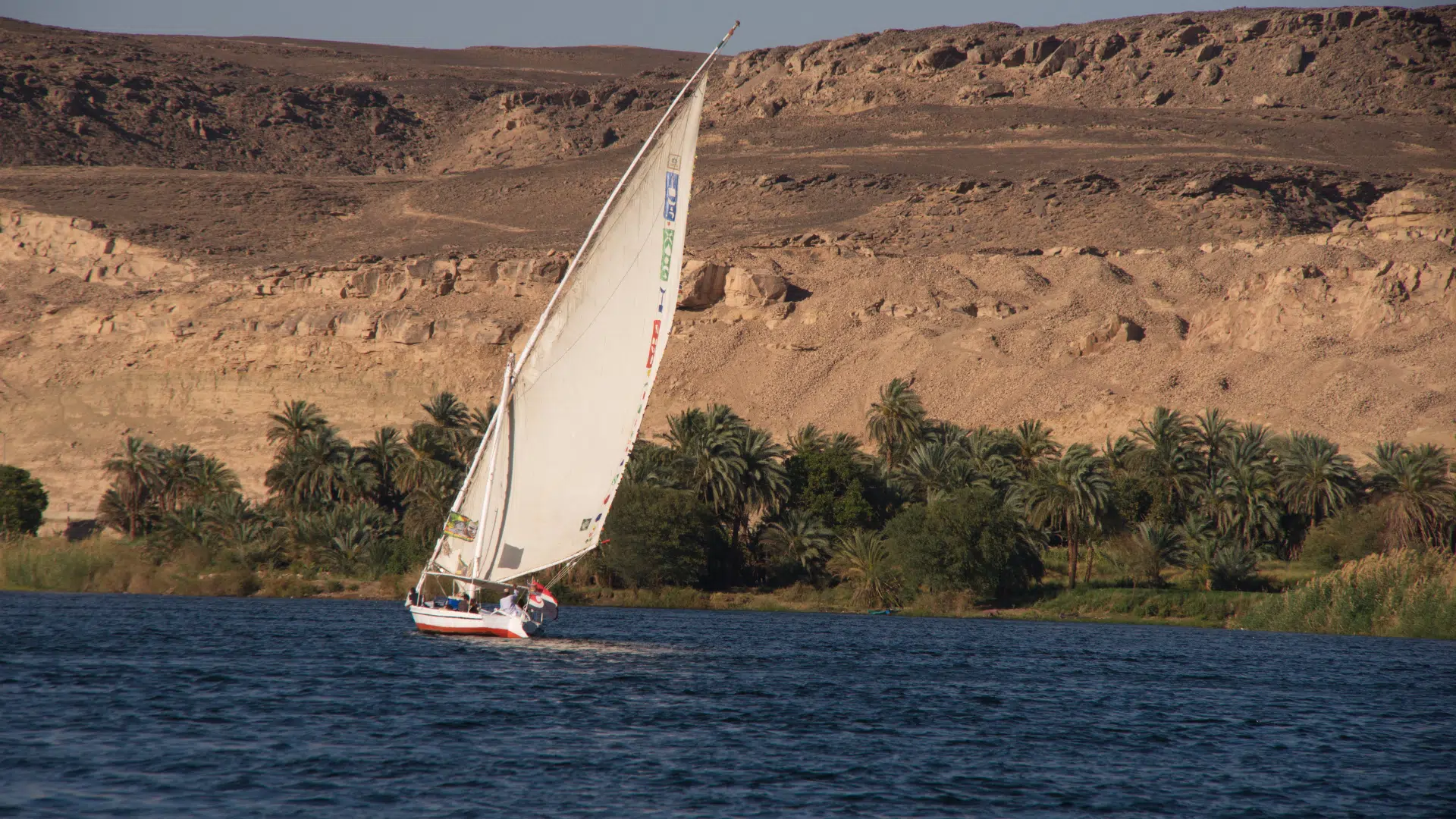
    Imagine travelling along the Nile not on a crowded cruise ship, but on a traditional Egyptian felucca — powered only by wind, guided by experienced local sailors, and surrounded by landscapes unchanged for thousands of years. A 6-day, 5-night journey from Aswan to Esna offers one of the most authentic travel experiences in Egypt, combining history, nature, culture, and simplicity.

    This is not luxury tourism. It is something far more meaningful: connection.

    Day 1: Discover Abu Simbel — Monumental Egypt

    Your journey begins with a visit to the extraordinary temples of Abu Simbel, one of Egypt’s most impressive archaeological sites and a UNESCO World Heritage location. Carved directly into the rock cliffs during the reign of Pharaoh Ramses II, the colossal statues create an unforgettable introduction to Ancient Egyptian civilisation.

    This powerful encounter with Egypt’s monumental past sets the tone for the days ahead.

    Day 2: Sailing from Aswan Towards Kom Ombo

    As your felucca departs from Aswan, the rhythm of the Nile immediately takes over. The landscape shifts between golden desert dunes and lush green riverbanks, offering peaceful scenery rarely experienced by conventional travellers.

    Stops along quiet river beaches allow time for swimming, relaxation, and immersion in nature. By evening, you reach Kom Ombo, home to the remarkable twin temple dedicated to Sobek, the crocodile god, and Horus, the falcon god. Visiting the temple at sunset creates a magical atmosphere.

    Days 3–4: Life Along the Nile and Village Encounters

    One of the highlights of felucca travel is the opportunity to connect with local communities along the Nile. Small villages, palm groves, and agricultural fields reveal daily life that has changed little over generations.

    Guests may step ashore, meet local families, and experience the warmth and hospitality that define Upper Egypt. Meals are freshly prepared on board using local ingredients, offering traditional Egyptian flavours in an authentic setting.

    This is cultural travel at its most genuine.

    Day 5: Sleeping Beneath the Stars

    Each night, the felucca anchors on peaceful riverbanks far from urban light pollution. Guests sleep under open skies filled with stars, accompanied by the gentle sounds of the Nile.

    This simple experience often becomes the most memorable part of the journey. Without distractions, travellers reconnect with nature, silence, and the rhythm of the river.

    It is Egypt at its most timeless.

    Day 6: Arrival in Esna and the Temple of Khnum

    The journey concludes in Esna, a historic town known for the Temple of Khnum, dedicated to the ram-headed creator god. The temple’s detailed carvings and unique architecture offer a final glimpse into Egypt’s layered history before departure.

    Leaving the felucca, travellers carry with them memories of landscapes, friendships, and moments that cannot be replicated elsewhere.

    An Authentic Nile Experience with Egypt Discovering

    At Egypt Discovering, felucca journeys are designed for travellers seeking authenticity rather than mass tourism. Sailing with experienced local crews allows guests to experience the Nile in its purest form — peaceful, cultural, and deeply human.

    This itinerary is flexible and may vary depending on weather conditions, wind, and guest preferences for visiting temples along the route. It is suitable for couples, families, and small groups looking for a meaningful adventure in Egypt.

  • The Nile’s Role in Ancient Egyptian Civilisation

    The Nile’s Role in Ancient Egyptian Civilisation

    The River That Created Egypt

    The history of Ancient Egypt cannot be understood without the Nile River. More than a geographical feature, the Nile was the foundation of Egyptian civilization — economically, culturally, spiritually, and politically. It transformed desert landscapes into fertile land, connected cities and temples, and shaped one of the most influential cultures in human history.

    For thousands of years, life in Egypt followed the rhythm of the river. Agriculture, trade, religion, and daily life all depended on the Nile’s predictable cycles. Without the Nile, there would have been no pyramids, no temples, and no pharaonic civilization as we know it today.

    Even now, travelers sailing along the Nile between Aswan and Luxor experience landscapes and traditions that remain deeply connected to this ancient relationship between people and river.

    The Nile as a Source of Life and Prosperity

    Ancient Egypt flourished because of the Nile’s annual flooding. Each year, the river overflowed its banks, depositing nutrient-rich black silt across the valley. This fertile soil allowed Egyptians to cultivate wheat, barley, vegetables, and flax, creating agricultural abundance in the middle of the desert.

    This natural cycle supported population growth, economic stability, and political power. Surplus crops could be stored, traded, and taxed, enabling the rise of centralized government and monumental architecture.

    The Nile was also Egypt’s main transportation route. Boats carried goods, people, and ideas between Upper and Lower Egypt, linking major cities such as Thebes (Luxor), Memphis, and Aswan. In many ways, the Nile functioned as the ancient world’s most efficient highway, making long-distance communication and trade possible.

    Today, a Nile cruise still follows these historic routes, allowing visitors to travel through the same landscapes that sustained Egyptian civilization for millennia.

    The Spiritual Meaning of the Nile in Ancient Egypt

    The Nile was not only a physical lifeline but also a sacred presence. Egyptians believed the river was a divine gift, personified by the god Hapi, associated with fertility, abundance, and nourishment. The annual flood was seen as a blessing from the gods — a sign that cosmic order, known as Ma’at, remained in balance.

    The river was also deeply connected to ideas of death and rebirth. The god Osiris, ruler of the afterlife, was linked symbolically to the Nile’s cycles. Just as the river flooded, receded, and renewed the land, human life was understood as part of a continuous cycle of transformation.

    This spiritual symbolism influenced Egyptian architecture and geography. Temples were often built along the Nile’s banks, and burial sites were typically located on the western side of the river, where the sun set — representing the transition to the afterlife.

    Travelers visiting temples in Luxor, Kom Ombo, Edfu, and Aswan can still sense how closely religion, landscape, and daily life were intertwined.

    The Nile as Egypt’s Cultural and Political Backbone

    Control of the Nile meant control of Egypt. Pharaohs managed irrigation systems, agricultural production, and transportation networks, reinforcing their authority as both political rulers and divine intermediaries.

    The river unified Upper and Lower Egypt, making centralized governance possible and helping sustain one of the longest-lasting civilizations in human history.

    Beyond politics, the Nile shaped Egyptian identity. Festivals, myths, calendars, and artistic representations all reflected the river’s importance. The Nile was not separate from Egyptian culture — it was its foundation.

    Experiencing the Nile Today: A Journey Through Living History

    Modern travelers can still experience the profound connection between Egypt and the Nile. Sailing on a traditional felucca or exploring ancient temples along the river offers insight into how geography shaped civilization.

    From the peaceful landscapes of Aswan to the monumental temples of Luxor, the Nile remains the thread connecting Egypt’s past and present.

    At Egypt Discovering, journeys along the Nile are designed to go beyond sightseeing. They allow travelers to experience authentic Egyptian culture, local communities, and timeless landscapes that reflect thousands of years of history.

    The River That Made a Civilisation Possible

    Ancient Egypt was not built despite the desert — it was built because of the Nile. The river created fertile land, enabled trade, inspired religion, and unified a nation.

    Understanding Egypt means understanding the Nile.

    And traveling along the Nile is not simply a trip through geography. It is a journey through the origins of civilization itself.