Contact me via WhatsApp Chat with Catalina on WhatsApp

Tag: Egypt travel

  • Tutankhamun’s Mask Beard Incident: The Restoration Mistake That Shocked the World

    Tutankhamun’s Mask Beard Incident: The Restoration Mistake That Shocked the World

    A Modern Conservation Lesson from Ancient Egypt
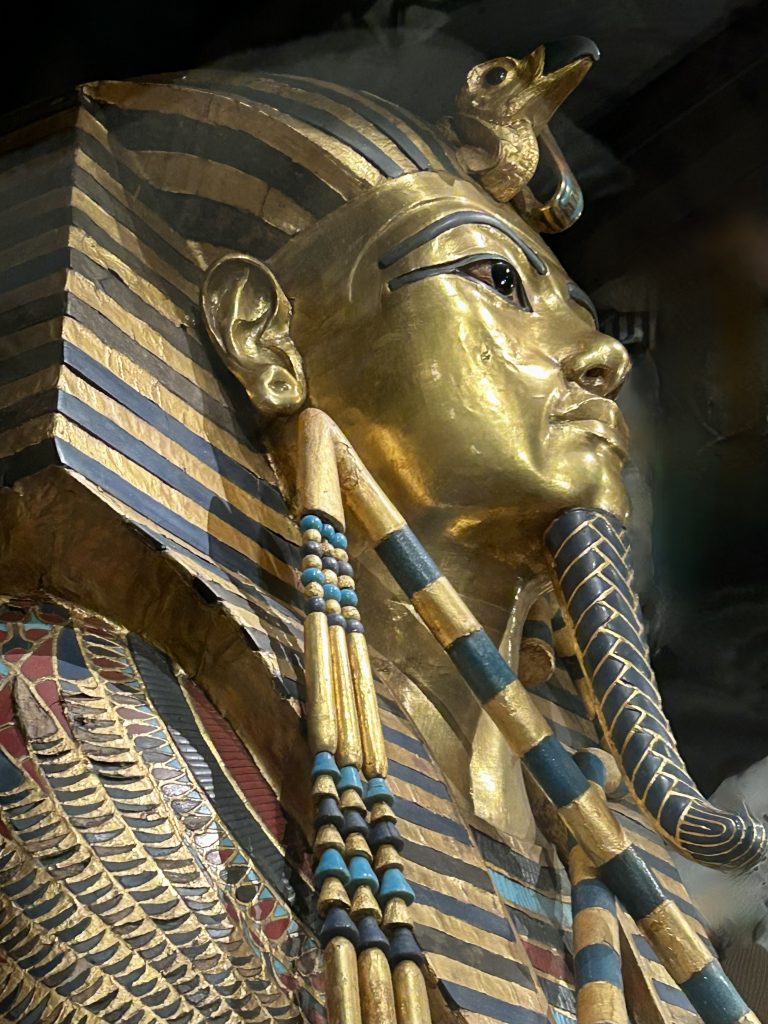
    Close view of Tutankhamun’s golden funerary mask showing the ceremonial beard and headdress
    Detail of the golden funerary mask of Tutankhamun, highlighting the ceremonial beard that became the focus of a restoration controversy

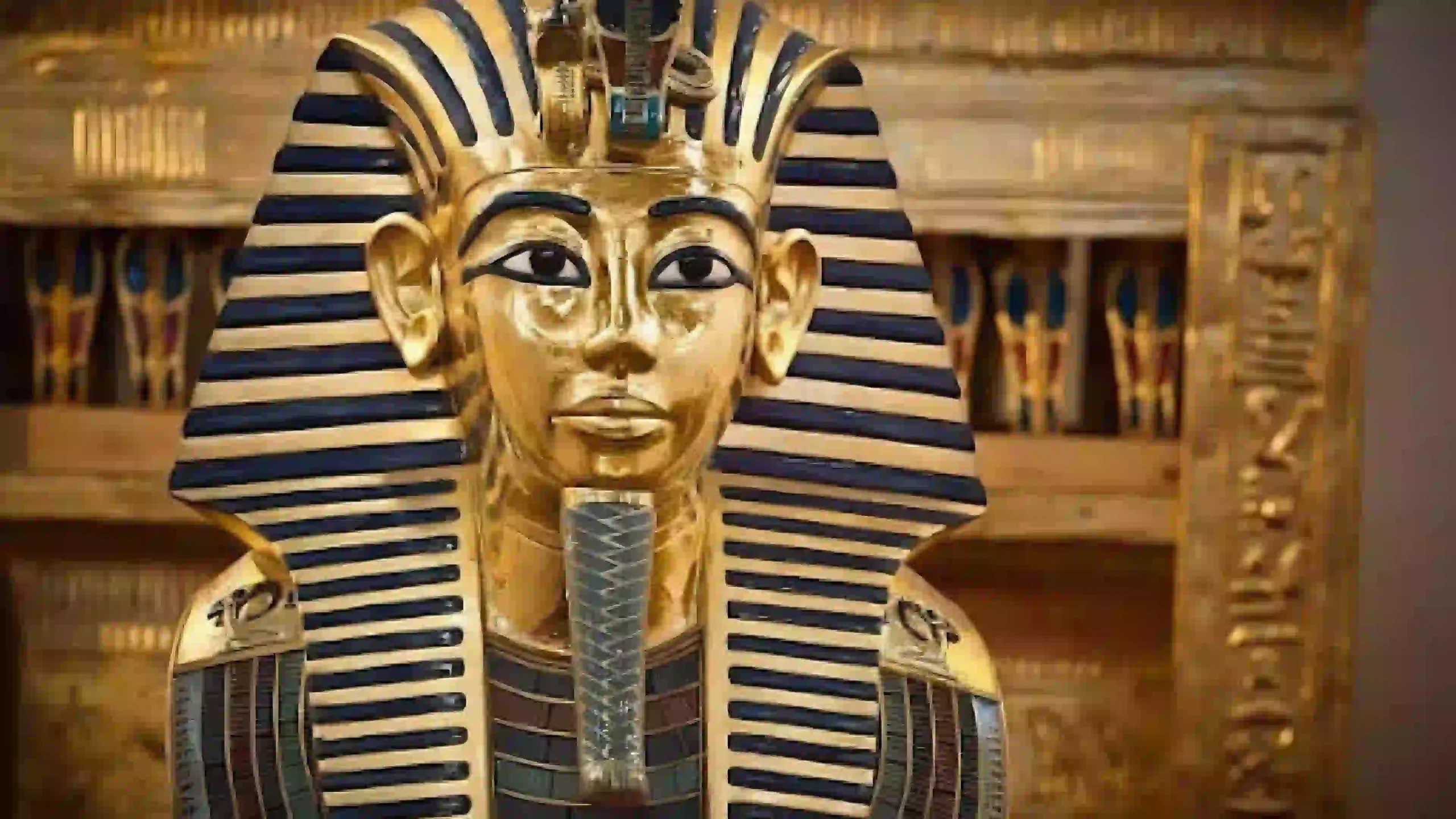
    When people think of Ancient Egypt, one of the most recognisable images in the world is the golden funerary mask of Pharaoh Tutankhamun. Discovered in 1922 in the Valley of the Kings, the mask has become a global symbol of Egyptian civilisation, royal power, and artistic mastery.

    Yet in 2014, this priceless artefact became the centre of an unexpected controversy — when the famous ceremonial beard attached to the mask broke off during handling at the Egyptian Museum in Cairo. What followed was a restoration mistake that attracted international attention and highlighted the importance of professional conservation methods in preserving world heritage.

    The Divine Beard of the Pharaoh

    Tutankhamun’s funerary mask, created more than 3,300 years ago, is crafted from gold, semi-precious stones, and coloured glass. Among its most significant features is the long, braided false beard attached to the chin.

    In Ancient Egyptian symbolism, the beard represented divine authority. Pharaohs were considered earthly manifestations of the gods, and the ceremonial beard visually reinforced this sacred status. It was not merely decorative — it was a statement of cosmic legitimacy and royal identity.

    Understanding this symbolism helps explain why damage to the beard caused such concern among historians, conservators, and the public alike.

    The 2014 Accident at the Egyptian Museum

    During routine maintenance and cleaning procedures in 2014, the beard accidentally detached from the mask. For museum staff, the situation was extremely stressful: one of the world’s most famous artefacts had been damaged unexpectedly.

    In an attempt to resolve the issue quickly, the beard was reattached using epoxy resin — a strong industrial adhesive unsuitable for delicate archaeological objects. The repair created visible residue and misalignment, and later cleaning attempts caused minor scratches to the gold surface.

    When images of the repair circulated publicly, criticism followed rapidly from the international conservation community.

    Professional Restoration and Scientific Conservation

    Following the controversy, a team of Egyptian and German conservators carried out a careful scientific restoration. The incorrect adhesive was removed, and the beard was reattached using reversible conservation materials specifically designed for historic artefacts.

    Reversible adhesives are essential in museum conservation because they allow future experts to make corrections without damaging the original object. The restoration successfully returned the mask to its proper condition while preserving its structural integrity.

    This episode ultimately became a valuable case study in modern conservation ethics and museum practice.

    Tutankhamun’s Legacy: Why Preservation Matters

    Tutankhamun remains one of the most important figures in Egyptian history, not because of political achievements, but because the discovery of his nearly intact tomb transformed our understanding of Ancient Egypt.

    Today, his treasures — including the famous mask — continue to attract millions of visitors to Egypt, particularly to Cairo’s museums and the archaeological sites of Luxor and the Valley of the Kings.

    For travellers exploring Egypt, encountering the legacy of Tutankhamun provides a direct connection to a civilisation that flourished over three millennia ago.

    Experiencing Ancient Egypt Today

    Visitors travelling along the Nile from Luxor to Aswan can explore the temples, tombs, and landscapes connected to the world of Tutankhamun. Sites such as the Valley of the Kings, Karnak Temple, and Luxor Temple reveal the cultural and spiritual environment in which the young pharaoh lived.

    At Egypt Discovering, journeys through Upper Egypt aim to connect travellers not only with monuments but with the deeper history and living heritage that define the country today.

    A Story of Human Error and Human Care

    The beard incident serves as a reminder that even the most precious cultural treasures depend on human responsibility for their preservation. While the mistake drew global attention, the successful restoration demonstrated the importance of expertise, patience, and scientific methods in protecting heritage.

    Tutankhamun’s mask endures as one of humanity’s greatest artistic achievements — a bridge between ancient craftsmanship and modern admiration.
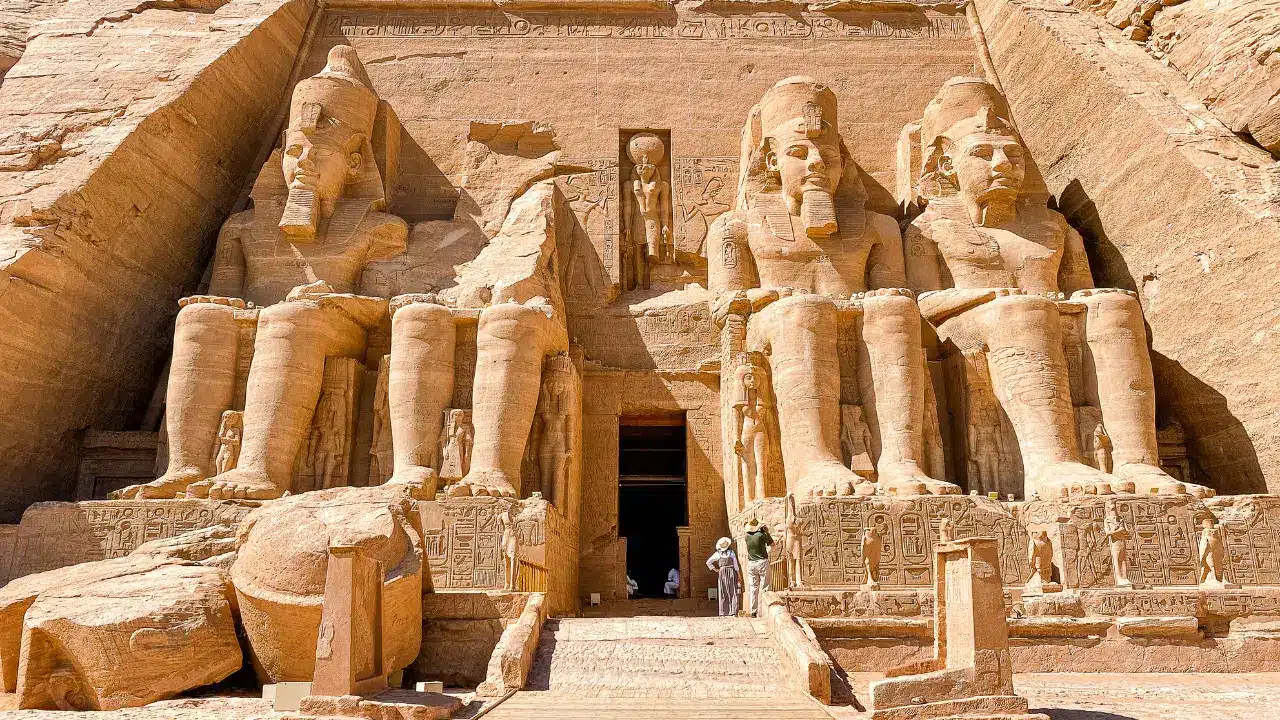
  • Egypt Is Not to Be Defined –   It Is to Be Experienced

    Egypt Is Not to Be Defined – It Is to Be Experienced

    Simply, Proudly, Eternally Egyptian

    When people think about Egypt, the first images that often appear are the pyramids of Giza, the Nile River, and the golden desert landscapes. Yet Egypt is far more than monuments or geography. Egypt is a living civilization — continuous, evolving, and deeply human — shaped over thousands of years by culture, trade, spirituality, and resilience.

    Egypt has never belonged to a single category, race, or region. Its identity cannot be reduced to modern labels.

    Ancient Egypt was not purely Mediterranean, even though it traded across the sea.

    It was not solely African, though the pulse of Africa flows through the Nile Valley.

    It was not limited to Semitic or Hamitic classifications, nor to modern ideas of black or white.

    Egypt was — and remains — something greater: uniquely, irreducibly Egyptian.

    Egypt: A Bridge Between Worlds

    The strength of Egyptian civilization has always been its ability to connect worlds. For millennia, Egypt welcomed merchants, travelers, scholars, and explorers from across Africa, the Middle East, Europe, and Asia. Along the Nile, cultures met, ideas merged, and knowledge flourished.

    Rather than losing its identity, Egypt absorbed influences while maintaining its own cultural core. This balance between openness and continuity is one of the reasons Egypt became one of the most influential civilizations in human history.

    Today, that same spirit continues.

    Modern Egypt stands at the crossroads of continents — geographically, culturally, and spiritually — offering travelers an experience that is both ancient and alive.

    Travel to Egypt: Beyond Monuments and History

    For modern travelers, Egypt is not only about visiting archaeological sites. It is about immersion.

    From Cairo’s vibrant streets to the peaceful landscapes of Aswan, from the temples of Luxor to the timeless rhythm of life along the Nile, Egypt offers experiences that go beyond tourism.

    A Nile cruise is not simply a journey between destinations. It is a passage through history, culture, and daily life. Watching the riverbanks pass slowly by reveals villages, palm groves, farmers, fishermen, and traditions that have existed for centuries.

    This is where Egypt becomes real.

    The Spiritual Dimension of Egypt

    Egypt has always carried a profound spiritual presence. The ancient temples dedicated to deities such as Sekhmet, Maat, Nut, and Serket were not only religious spaces but centers of knowledge, philosophy, and cosmic understanding.

    Travelers today often feel something difficult to explain — a sense of connection, stillness, or recognition — when standing inside a temple or sailing at sunset on the Nile.

    Egypt offers more than history. It offers perspective.

    Authentic Egypt Experiences with Egypt Discovering

    At Egypt Discovering, our journeys are designed to go beyond traditional tours. We focus on authentic experiences along the Nile, connecting travelers with local communities, landscapes, and stories that reveal the true spirit of Egypt.

    Whether sailing on a traditional felucca, exploring ancient temples, or sharing moments with local families, our goal is simple: to help travelers experience Egypt as a living culture, not just a historical destination.

    Our routes from Aswan to Luxor, and beyond, allow visitors to discover the diversity, beauty, and humanity that define this country.

    Egypt Is a Living Journey

    Egypt cannot be placed inside categories such as East or West, Africa or Middle East. It is all of these, and more. Egypt is a meeting point of civilizations, a cradle of human creativity, and a bridge across time.

    For travelers seeking authenticity, depth, and meaning, Egypt offers something rare — an experience that continues to evolve long after the journey ends.

    Come and feel the warmth of a land shaped by millennia of sunlight.

    Let the Nile carry you through landscapes unchanged by time.

    Discover a civilization that is not frozen in the past but alive in the present.

    Egypt is not a destination to define.

    Egypt is a journey to experience — simply, proudly, eternally Egyptian.