Contact me via WhatsApp Chat with Catalina on WhatsApp

Tag: Aswan Luxor travel

  • Is It Safe to Travel to Egypt in 2026? What You’re Not Being Told

    Is It Safe to Travel to Egypt in 2026? What You’re Not Being Told

    What Visitors Need to Know About Safety, Energy and the Reality Beyond European Headlines

    A Clear Perspective for Travellers Arriving from Europe
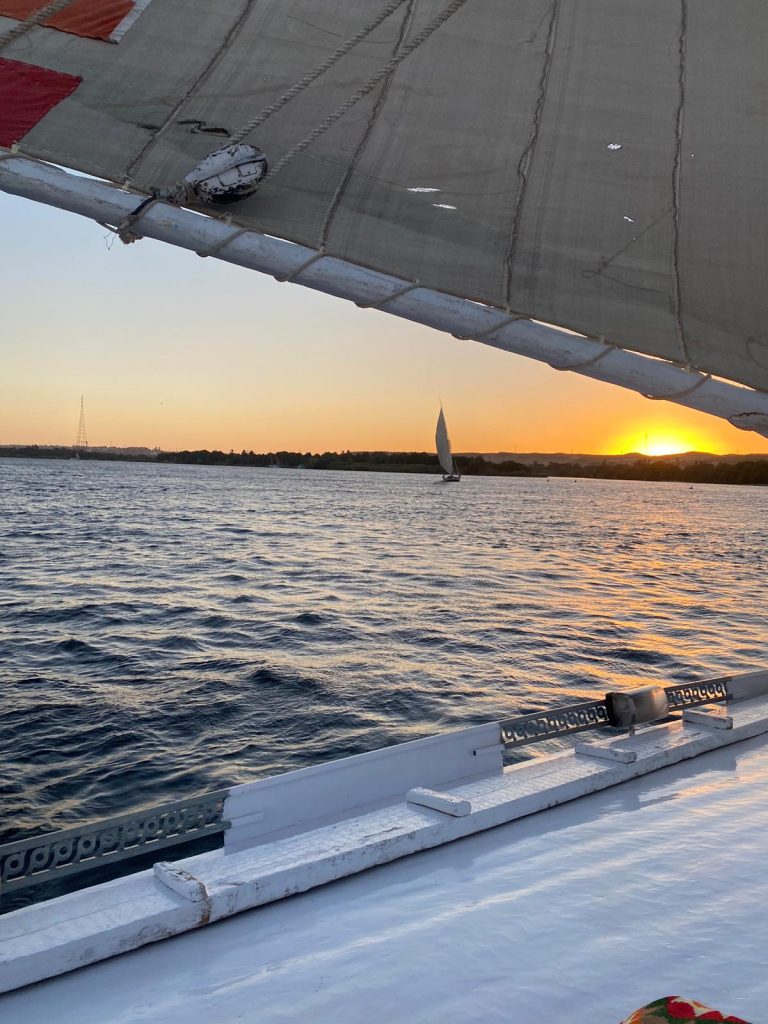
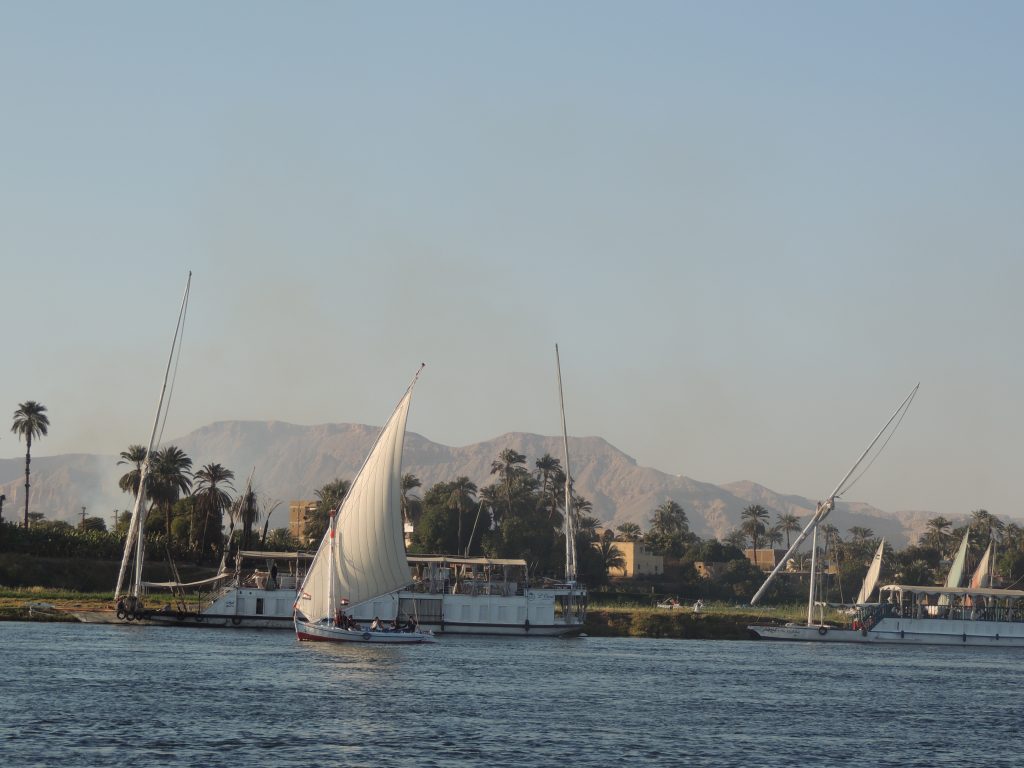
    Traditional felucca sailing on the Nile at sunset near Aswan Egypt seen from another felucca deck
    A felucca sailing at sunset on the Nile near Aswan — the daily reality of Upper Egypt far removed from international headlines.

    Most travellers asking if Egypt is safe in 2026 are not really asking about Egypt.

    They are reacting to headlines, fragments of news and a constant background noise of uncertainty that rarely reflects daily life along the Nile.

    This is not a theoretical analysis. It is a perspective from Upper Egypt — from the river itself, where travellers arrive, stay and experience a country that looks very different from what is often reported in Europe. Here, boats move with the wind, children swim at sunset, and the rhythm of the river defines the day.

    There is a persistent distance between how Egypt is described from Europe and how it is actually experienced on the ground.

    From afar, narratives tend to compress complexity into a single frame. Questions of safety, energy supply, and geopolitical tension are often presented as if they applied uniformly across the country. Yet Egypt is not a single, undifferentiated space. It is a vast territory, and its realities change significantly depending on where one travels.

    For those who move through Upper Egypt — along the Nile, in Aswan, in smaller villages and desert environments — this difference becomes immediately visible. Life follows a rhythm that is stable, structured, and deeply rooted in continuity. The gap between perception and reality is not subtle. It is immediate — and impossible to ignore once you are there.

    Safety in Egypt Is a Question of Geography

    The question of safety in Egypt cannot be approached in abstract terms. It must be located.

    Tourism in Egypt is organised around clearly defined regions where infrastructure, experience, and long-standing interaction with international visitors are well established. Upper Egypt — particularly the stretch between Aswan and Luxor — has for decades been one of the most stable and controlled travel corridors in the country.

    This is not incidental. It is where some of the most important historical sites in the world are located, and where travel has developed within a structured and predictable framework.

    Understanding this changes the nature of the question itself. It is no longer simply whether Egypt is safe, but where and how one travels within it.

    Energy, Perception and the European Narrative

    Recent news has focused on energy-saving measures in Egypt, sometimes described in terms that suggest broad disruption.

    The reality is more nuanced.

    In large urban centres such as Cairo, adjustments to commercial schedules may occur as part of wider energy management strategies. This is not unique to Egypt and reflects pressures that are equally present across Europe.

    Beyond the major cities, however, a different structure becomes visible. In many areas along the Nile, and particularly in villages and desert environments, a significant degree of energy independence already exists. Solar panels are widely used, not as a recent innovation, but as a practical system developed over time.

    For travellers, this distinction is essential. The experience of Egypt — especially outside Cairo — is far less affected by these dynamics than external narratives tend to suggest.

    A Strong Position for European Travellers
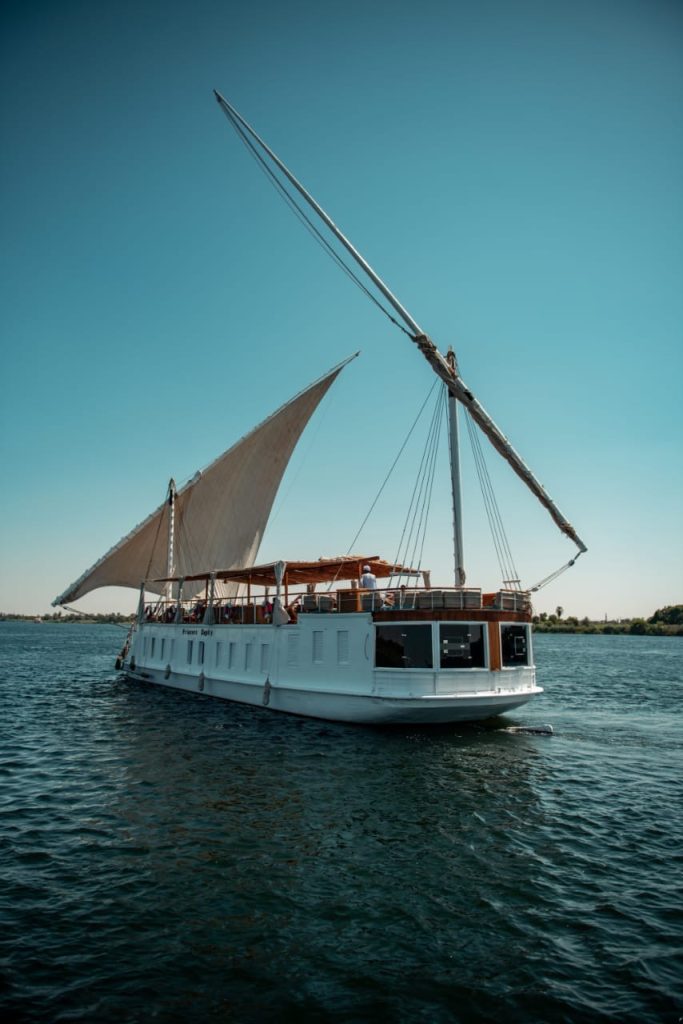
    Princess Kelly dahabiya sailing on the Nile during Serket tour in Egypt with full sails
    Princess Kelly under sail — Serket moving with the wind along the Nile. Photo by Catalina Garay.

    While concerns are often emphasised, another factor receives less attention.

    The euro remains strong in relation to the Egyptian pound. This creates a context in which high-quality, private and carefully structured travel experiences are more accessible than many expect.

    What might be considered a premium level of travel in Europe becomes, in Egypt, both attainable and proportionate in value. This has a direct impact on how one travels — the time available, the level of comfort, and the ability to avoid rushed or crowded itineraries.

    Where Egypt Is Best Understood

    Egypt is not experienced in abstraction. It is experienced through landscape and movement.

    Along the Nile, particularly between Aswan and Luxor, the country reveals a continuity that is difficult to perceive from outside. The river structures everything — agriculture, settlement, daily life, and the relationship between past and present.

    This is not a landscape designed for rapid consumption. It unfolds gradually. The sense of place emerges through time rather than through isolated visits.

    How to Travel Egypt Safely and Coherently

    Safety is closely linked to the form of travel chosen.

    Compressed itineraries, designed to cover large distances quickly, often reduce clarity of experience. In contrast, slower forms of travel — particularly along the Nile — allow for a more controlled and coherent understanding of the environment.

    Private or small-scale journeys, guided by local knowledge, create a different dynamic. They allow travellers to move through the country with continuity, rather than fragmentation.

    Experiencing the Nile Today

    For those who choose to follow the Nile, travel becomes more than a sequence of locations.

    Sailing from Aswan toward Luxor follows the natural course of the river. Landscapes open progressively. Villages appear without interruption. The relationship between water, cultivation, and desert becomes visible in its full context.

    This experience can take different forms.

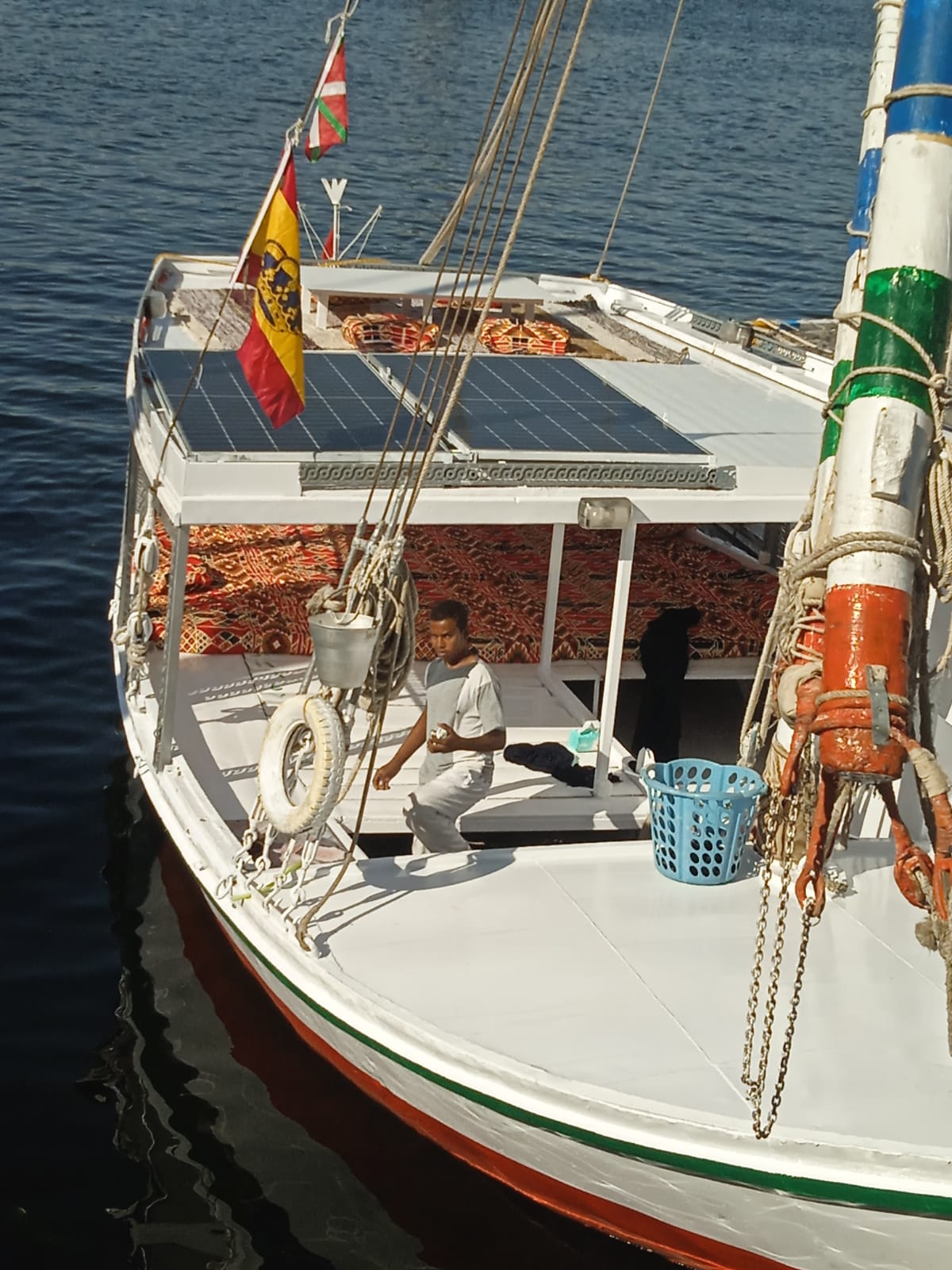
    – On a traditional felucca, moving with the wind, reaching quiet riverbanks and islands

    – On a dahabiya, offering space, comfort, and a slower, more structured journey

    Both approaches share a common principle. They follow the river, rather than imposing upon it.

    Discover private Nile journeys here

    A Question of Perspective

    Egypt in 2026 is not defined by headlines.
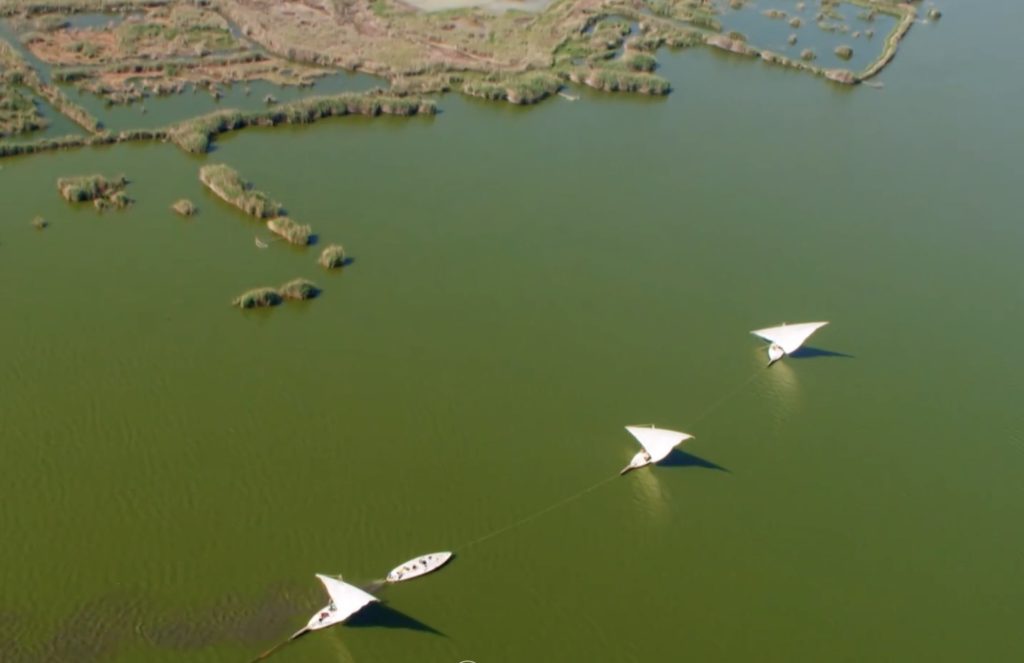
    Traditional felucca sailboats navigating the Nile River near Aswan, Egypt, viewed from above
    Traditional feluccas sailing peacefully along the Nile near Aswan in southern Egypt.

    It is defined by geography, by continuity, and by the structures that have shaped life along the Nile over centuries.

    For travellers willing to move beyond simplified narratives, the country offers something increasingly rare — time, space, and a form of travel that is not driven by urgency.

    The question is not only whether Egypt is safe.
    It is whether one is prepared to see it as it is.

  • 6 Days in Egypt: The Perfect Itinerary from Cairo to the Nile

    6 Days in Egypt: The Perfect Itinerary from Cairo to the Nile

    Discover Pyramids, Temples, and the Timeless River in One Unforgettable Journey

    Traditional Egyptian feluccas sailing on the Nile River near Aswan with palm trees and desert mountains in the background
    Sailing the Nile where desert, river, and life meet.

    Egypt is one of the most fascinating travel destinations in the world, where ancient civilisation, monumental architecture, and living culture exist side by side. Even with limited time, travellers can experience many of the country’s most extraordinary sites.

    If you have six days in Egypt, a carefully planned itinerary allows you to explore the pyramids of Cairo and the legendary temples along the Nile between Aswan and Luxor. The key is combining internal flights with a memorable sailing journey along the Nile.

    This itinerary assumes arrival in Cairo the day before, allowing the journey to begin fresh on Day 1.

    Day 1 – Cairo: The Pyramids of Giza and the Treasures of Egypt

    Your journey begins in Cairo, Egypt’s vibrant capital and gateway to one of the most extraordinary civilisations in history.

    Start the day at the Great Pyramids of Giza, one of the Seven Wonders of the Ancient World. Standing beside these monumental structures offers a powerful connection to the pharaohs who ruled Egypt more than 4,500 years ago.

    Nearby, the Great Sphinx continues to guard the plateau with its timeless gaze.

    In the afternoon, visit the Egyptian Museum (or the Grand Egyptian Museum if open during your visit), home to thousands of artefacts including the famous treasures of Tutankhamun.

    End the day exploring Khan El Khalili Bazaar, where Cairo’s vibrant atmosphere, traditional crafts, and historic cafés offer a memorable introduction to Egyptian culture.

    Day 2 – Flight to Aswan and the Beauty of the Nile

    An early morning flight from Cairo to Aswan (about 1 hour 30 minutes) brings you to one of the most peaceful cities in Egypt.

    Highlights of the day include:

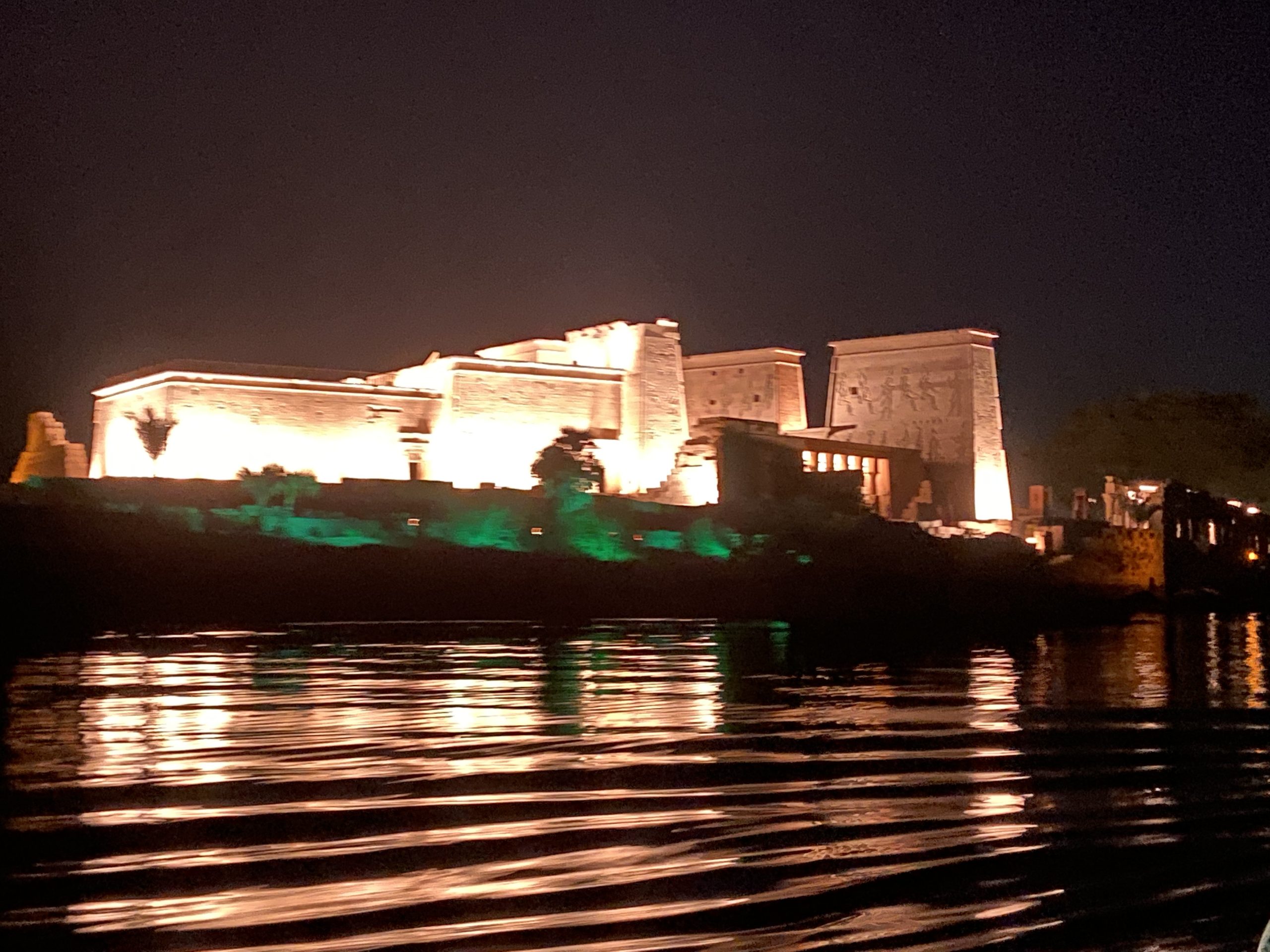
    • The Temple of Philae, dedicated to the goddess Isis and beautifully located on an island in the Nile
    • The Aswan High Dam, a remarkable modern engineering project
    • A traditional felucca sailing experience at sunset around Elephantine Island

    Aswan’s relaxed pace and Nubian culture provide a wonderful contrast to Cairo.

    Day 3 – Abu Simbel: Ramses II’s Monumental Masterpiece

    One of Egypt’s most breathtaking sites awaits today: Abu Simbel.

    Located about 280 km south of Aswan, these colossal temples were built by Pharaoh Ramses II in the 13th century BCE and later relocated in an extraordinary UNESCO rescue project.

    The temples honour:

    • Ramses II himself
    • Queen Nefertari
    • The gods Ra-Horakhty, Amun, and Ptah

    Most travellers depart very early in the morning to avoid the heat and return to Aswan around midday.

    The afternoon can be spent relaxing, visiting a Nubian village, or preparing for the journey north along the Nile.

    Day 4 – Sailing the Nile: Kom Ombo and Edfu

    The journey north from Aswan to Luxor offers the opportunity to explore two remarkable temples along the Nile.

    The first stop is Kom Ombo Temple, uniquely dedicated to two gods:

    • Sobek, the crocodile god
    • Horus the Elder, the falcon god

    Continue to Edfu Temple, one of the best-preserved temples in Egypt. Built during the Ptolemaic period, it is dedicated to Horus and contains some of the finest relief carvings in the country.

    After visiting Edfu, continue your journey along the Nile toward Luxor.

    Day 5 – Luxor: The World’s Greatest Open-Air Museum

    Luxor is often described as the world’s greatest open-air museum, and for good reason.

    On the West Bank of the Nile, visit:

    • The Valley of the Kings, burial place of many pharaohs including Tutankhamun
    • The magnificent Temple of Hatshepsut at Deir el-Bahri
    • The Colossi of Memnon

    In the afternoon, cross to the East Bank to explore:

    • The vast temple complex of Karnak, one of the largest religious sites ever built
    • Luxor Temple, particularly impressive when illuminated in the evening

    Day 6 – Return to Cairo

    Fly from Luxor back to Cairo (about 1 hour).

    Depending on your departure schedule, you may have time to explore:

    • Coptic Cairo and the Hanging Church
    • The Citadel of Salah El-Din and the Mosque of Muhammad Ali
    • Additional museums or a final walk through historic Cairo

    Your Egyptian journey ends with memories of pyramids, temples, and the timeless Nile.

    Experience the Nile by Felucca or Dahabiya

    One of the most memorable parts of this itinerary is the journey along the Nile between Aswan and Luxor. At Egypt Discovering, this section of the trip can be experienced in two different ways depending on your preferred style of travel.

    Felucca Sailing: Authentic Nile Adventure

    For travellers who enjoy nature, simplicity, and a true connection with the river, sailing on a traditional Egyptian feluccaoffers an unforgettable experience.

    Feluccas are traditional wooden sailing boats powered only by wind. Travellers experience peaceful sailing, stops at small villages, swimming in the Nile, and camping on quiet river beaches under the stars.

    This option is ideal for those seeking authenticity, adventure, and a deeper connection with the natural rhythm of the Nile.

    Dahabiya Cruises: Elegant Luxury on the Nile

    For travellers who prefer comfort and elegance, the same journey can be experienced aboard a dahabiya.

    Dahabiyas are beautiful traditional sailing vessels, typically 35–40 metres long, offering spacious cabins, shaded decks, and personalised service. Historically used by Egyptian nobility and nineteenth-century explorers, modern dahabiyas combine traditional sailing charm with contemporary luxury.

    Guests can relax on deck while the landscapes of Upper Egypt unfold slowly along the river.

    Flexible Itinerary and Seasonal Pricing

    This itinerary can be adapted depending on travel preferences and available time. The Nile journey between Aswan and Luxor can be organised by felucca or dahabiya.

    Prices may vary depending on the season, travel demand, and type of vessel chosen.

    At Egypt Discovering, our team will help create the itinerary that best fits your travel style.

    Travel Logistics: Why Flying Saves Time

    Egypt is a large country and distances between major destinations are considerable.

    Approximate distances:

    Cairo → Aswan: 880 km

    Aswan → Abu Simbel: 280 km

    Aswan → Luxor: 220 km

    Domestic flights between Cairo, Aswan, and Luxor make it possible to experience the highlights of Egypt within six days while leaving time to explore the Nile region comfortably.