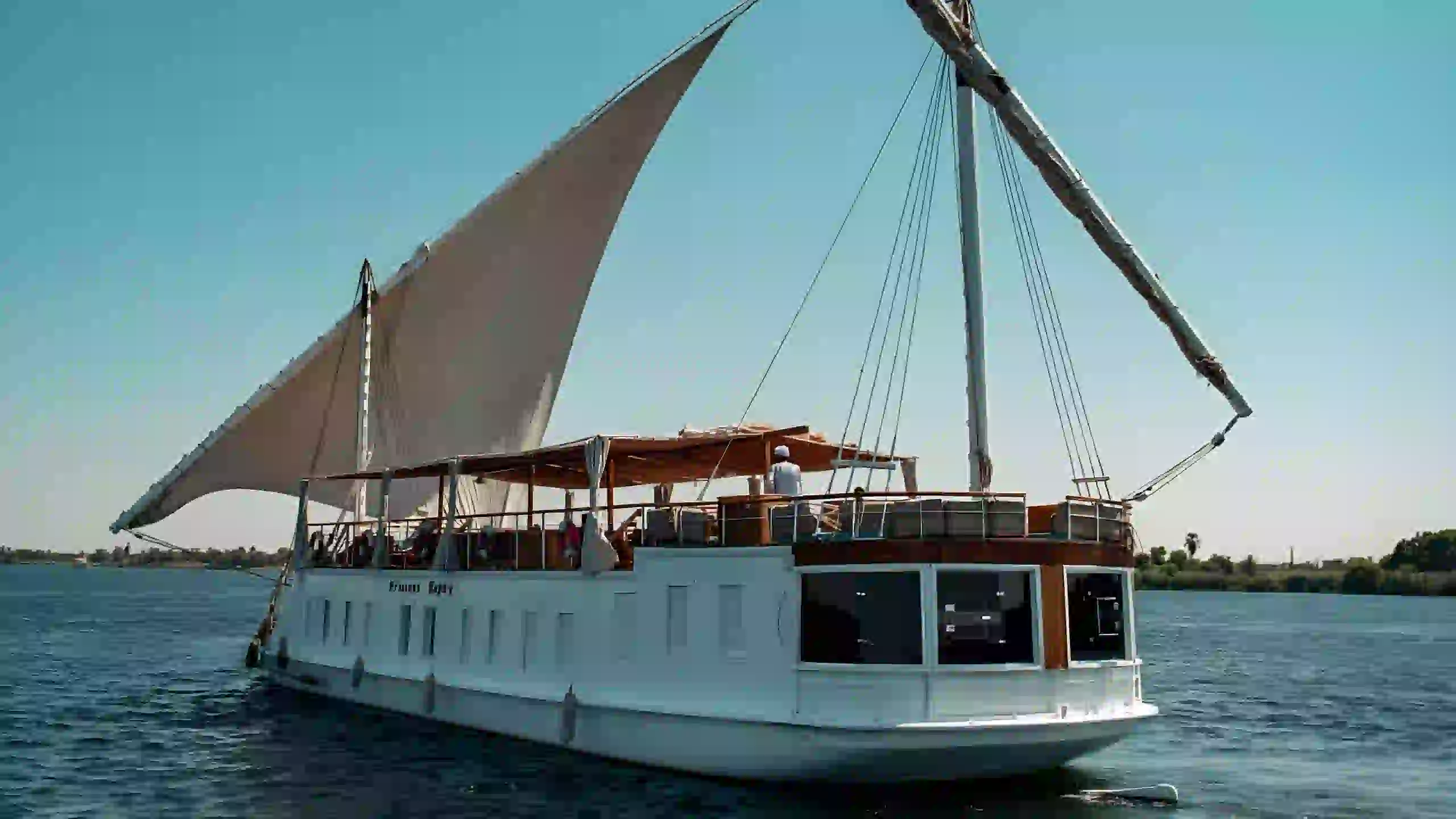
Egypt, Guardian of the Flame of Human Memory
Will This Bring a New Flourishing of True Cultural Tourism?
On 6 October 2025, the world witnessed a moment of profound symbolism: for the first time, an Egyptian was elected Director-General of UNESCO.
Khaled El-Anany, once a young guide among the timeless stones of Giza, now rises to lead the very organisation that protects humanity’s cultural and natural treasures.
Only a few months earlier, in January 2025, he had been chosen as Rapporteur of the African World Heritage Fund, a role that already reflected the continent’s trust in his vision of safeguarding heritage for future generations.¹
Egypt, Guardian of the Flame of Human Memory
This is more than a personal triumph.
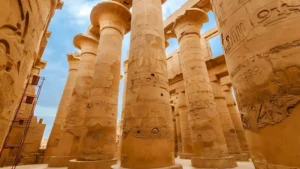
It is a moment that transcends politics and appointments — a recognition that Egypt, cradle of the world’s oldest continuous civilisation, still guards the flame of human memory.
Through dynasties and deserts, through silence and renewal, Egypt has never ceased to speak the language of eternity.
While other ancient homelands — once luminous centres of wisdom such as Iraq and Mesopotamia — have seen their heritage wounded by war and neglect, Egypt has preserved its soul.
It was, perhaps, Napoleon Bonaparte and his army, with the discovery of the Rosetta Stone in 1799 and the Emperor’s fascination with art and science, who once again brought the eyes of the world back to Egypt.
That encounter between East and West rekindled global curiosity and laid the foundations of modern Egyptology — reminding humanity that civilisation itself was born upon the Nile.
Today, Egypt still stands as a bridge between continuity and creation, where the past breathes within the present and where culture is not a monument but a living rhythm.
Yet this legacy cannot stand alone. The world must help protect it — not merely preserve it — against every eventuality, for heritage once destroyed is heritage lost forever.
We have already lost too much: libraries, temples, and artefacts erased by conflict — the silent testimonies of millennia swept away in the destruction of Gaza and other sacred lands of our shared history.
If Egypt still holds the key to humanity’s ancient soul, then protecting it is not only an Egyptian duty — it is a global responsibility.
Will This Bring a New Flourishing of True Cultural Tourism?
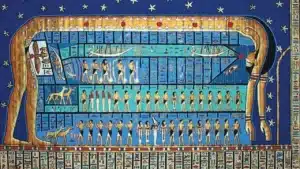
That is the question that now arises.
Because Egypt does not need more tourists — it needs travellers.
Not the kind who rush from one monument to the next, but those who come to listen, to learn, to feel.
For decades, the Nile has carried the weight of mass tourism — vast floating hotels, roaring engines, and hurried itineraries that disturb the serenity of the river and the fragile balance of its ecosystem.
The great cruise ships, symbols of excess and speed, too often leave behind polluted waters and deafened shores — erasing the very sense of peace and timelessness that makes Egypt sacred.
If this new leadership at UNESCO is to mean something, perhaps it will help the world remember that heritage cannot coexist with noise and haste.
True cultural tourism does not exploit the land — it flows with it, in harmony with its rhythm and its people.
The real Egypt is not found behind glass windows or crowded decks.
It is felt in the silence of the river at dusk, in the laughter of Nubian children on the shore, in the gentle creak of a feluccasail catching the wind.
It is on a felucca or a dahabiya, where time slows and travellers rediscover the dignity of distance, the depth of observation, and the quiet conversation between water and history.
Here we are — EgyptDiscovering, Catalina and Captain Ramdan, the greatest captain on the Nile — waiting for you to experience it with us.
The Nile Knows the Answer


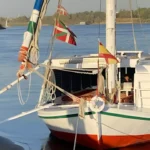
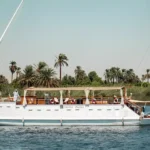

Because the real way to experience Egypt’s heritage is not by rushing through monuments — but by sailing between them.
On a felucca or a dahabiya, where the rhythm of the water becomes the rhythm of thought, one begins to sense what Egypt truly is:
not a museum, but the world’s oldest and longest continuous civilisation — still alive today.
The Nile has witnessed empires rise and fade, yet Egypt’s essence endures — flowing like the river itself, carrying knowledge, artistry, and resilience through thousands of years.
Perhaps this new chapter at UNESCO will help the world understand that heritage is not only what we preserve in stone, but what we live, share, and protect together.
May Egypt’s leadership inspire a renaissance of authentic cultural tourism, where visitors come not to consume, but to connect.
And as always, the river waits — ready to teach, to heal, to reveal.
Sail with us — and feel history breathing in every ripple of the Nile.
¹ Egypt’s candidate for top UNESCO post Khaled El-Anany picked to be rapporteur of the African World Heritage Fund (AWHF) — Egyptian Gazette, 27 January 2025, retrieved 6 March 2025.
² “De guía turístico a director de la Unesco: el egipcio Jaled al Anani, elegido al frente de la agencia de la ONU,” El País, 6 November 2025.