



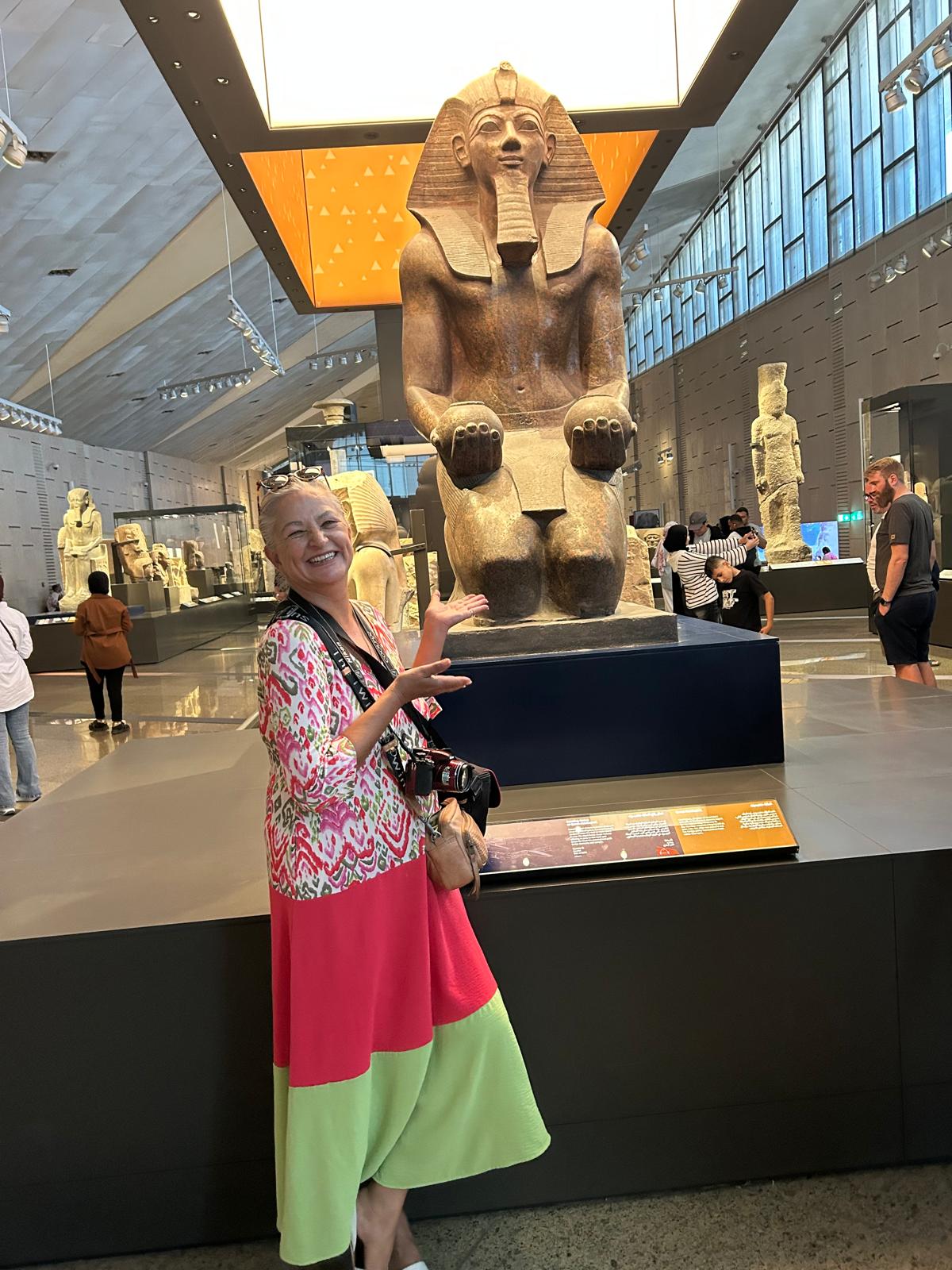
A Queen Who Redefined Power in Ancient Egypt
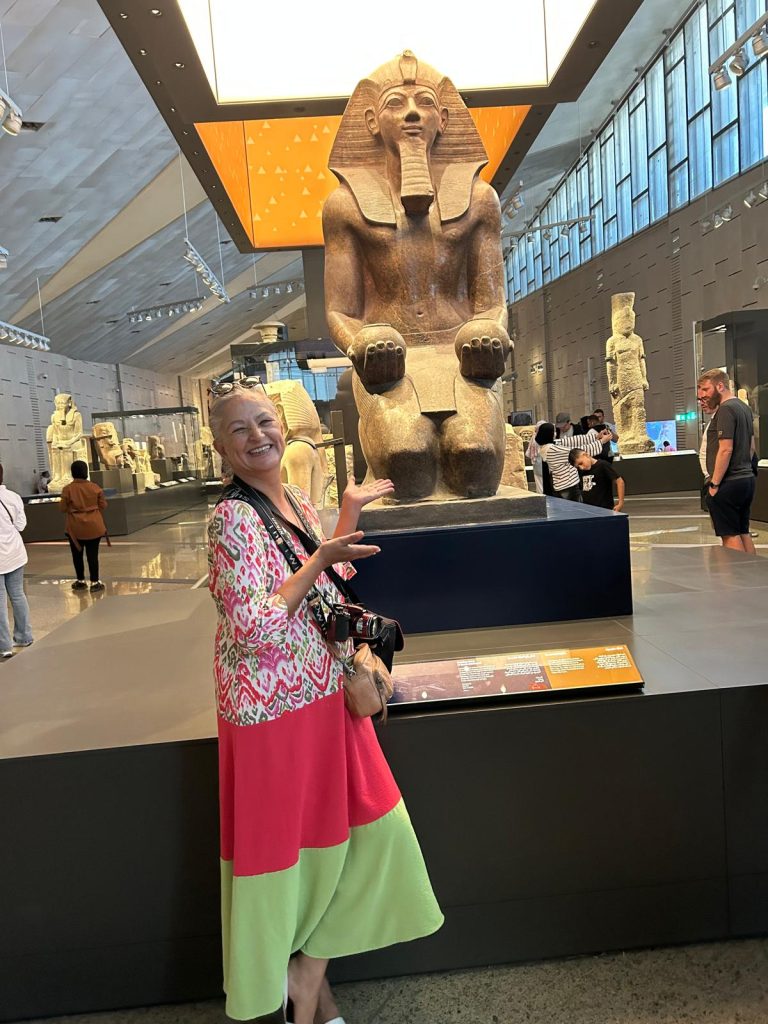
Among the rulers of Ancient Egypt, few figures are as remarkable as Hatshepsut. She was not only one of the most successful female leaders in history but also a monarch who transformed how kingship itself could be understood. Rising from queen and regent to full pharaoh, Hatshepsut reshaped royal authority, political legitimacy, and gender expectations in one of the world’s greatest civilisations.
Her reign during the 18th Dynasty (1479–1458 BCE) marked a period of stability, prosperity, and monumental building that continues to inspire visitors today, particularly at her extraordinary mortuary temple at Deir el-Bahri near Luxor.
From Regent to Pharaoh: Breaking Tradition
Hatshepsut was the daughter of Pharaoh Thutmose I and later became the wife of her half-brother, Thutmose II. After his death, the throne passed to his young son, Thutmose III. As the child king was too young to rule independently, Hatshepsut initially served as regent — a traditional role for royal women.
However, within a few years, she took an unprecedented step: she declared herself pharaoh.
Rather than ruling only in the background, Hatshepsut adopted full royal titles, regalia, and authority. She wore the double crown of Upper and Lower Egypt, carried the crook and flail, and was often depicted with the ceremonial false beard associated with kingship.
Her imagery sometimes presented her with traditionally male attributes, not to conceal her identity, but to align her with the established visual language of royal power.
The Meaning of the Title “Pharaoh”
The word “pharaoh” derives from the Egyptian term per-aa, meaning “great house”, originally referring to the royal palace or institution of kingship rather than the individual ruler. Over time, the term evolved into a direct designation for the king himself.
During and after Hatshepsut’s period, this linguistic transition became increasingly formalised. Her reign therefore represents an important moment in the development of royal identity, when the concept of kingship expanded beyond traditional male succession.
More importantly, Hatshepsut demonstrated that royal authority could be legitimised through divine ideology, political competence, and public works — not solely through gender.
A Reign of Peace and Prosperity
Unlike many rulers remembered primarily for military conquest, Hatshepsut’s legacy is defined by economic growth and cultural development. She initiated extensive trade expeditions, most famously to the land of Punt, bringing exotic goods, incense trees, and wealth back to Egypt.
Her building programme was equally impressive. Temples, monuments, and obelisks across Egypt reflected both artistic innovation and political stability.
The most spectacular achievement remains her mortuary temple at Deir el-Bahri, a masterpiece of architecture integrated harmoniously into the cliffs of western Thebes. Today, it stands as one of Egypt’s most iconic archaeological sites.
Women and Power Before Hatshepsut
Hatshepsut was not the first woman to hold authority in Egypt. Earlier figures such as Queen Merneith of the First Dynasty may have ruled as regent or monarch in their own right. However, Hatshepsut elevated female rulership to an entirely new level by assuming full pharaonic identity and sustaining it successfully for decades.
Her reign proved that leadership in Ancient Egypt could transcend conventional gender boundaries when supported by religious legitimacy and political skill.
Legacy and Historical Memory
After Hatshepsut’s death, some of her monuments were altered or her images removed, possibly during the later reign of Thutmose III. Yet her achievements could not be erased. Archaeology and historical research have restored her place as one of Egypt’s most influential rulers.
Today, she is recognised not only as a pioneering female leader but also as a symbol of innovation, resilience, and political intelligence.
Experiencing Hatshepsut’s Egypt Today
Travellers visiting Luxor can explore the landscapes associated with her reign — the temples of Karnak, the Valley of the Kings, and especially Deir el-Bahri. Standing before her temple offers a direct connection to a ruler who reshaped Egyptian history more than three thousand years ago.
At Egypt Discovering, journeys through Upper Egypt allow visitors to experience these sites within the broader cultural and historical context that defined Hatshepsut’s era.
A Queen Who Changed the Rules
Hatshepsut’s story is ultimately about transformation — of identity, power, and possibility. She did not simply inherit authority; she redefined it.
In doing so, she ensured that her legacy would endure alongside the greatest pharaohs of Egypt.