



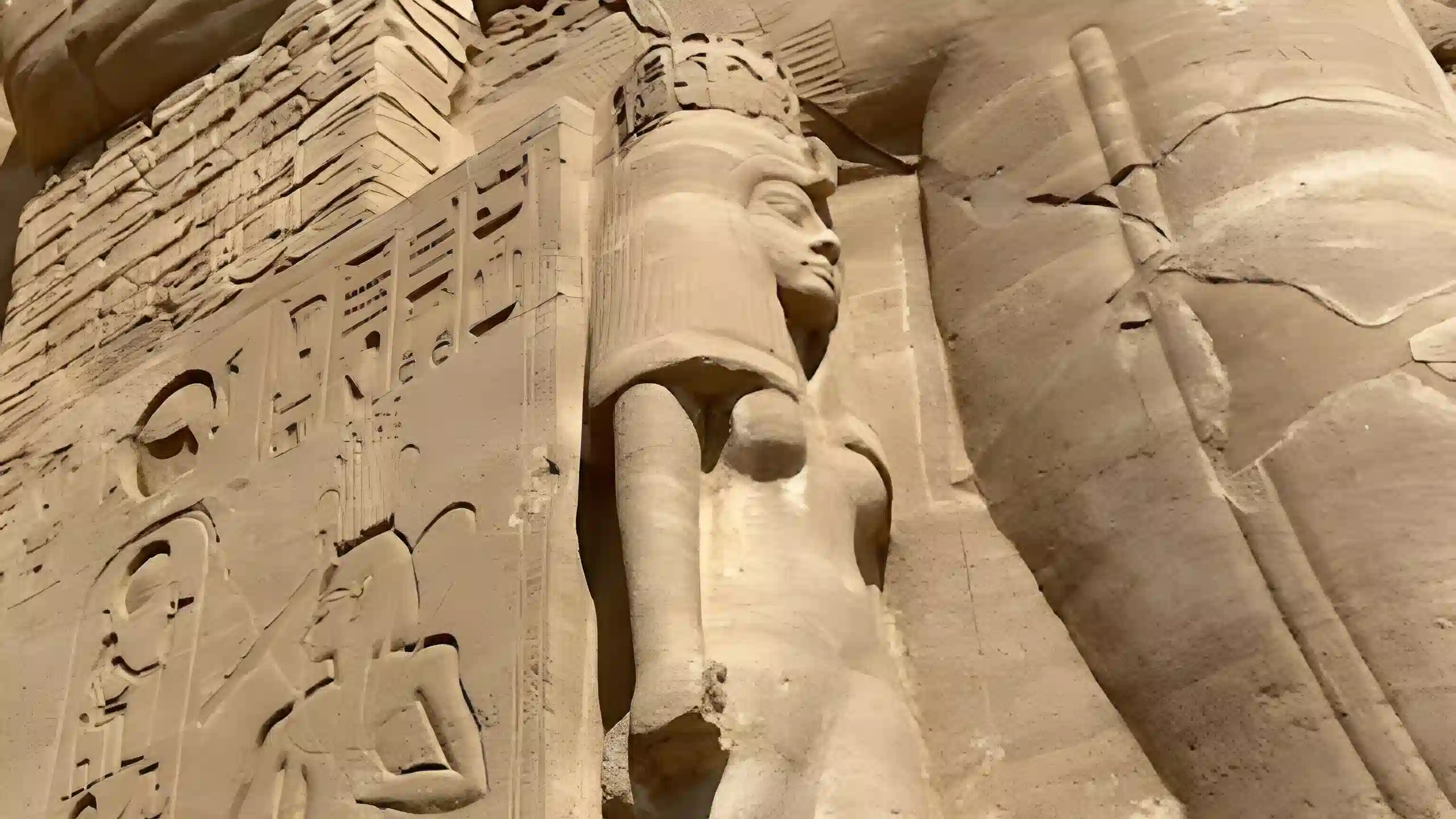
There are countries blessed with magnificent beaches. Others offer dramatic mountains, celebrated cuisine or cities determined never to sleep.
Egypt has all of these and much more!
Yet none of them fully explains why travellers, today called tourists, have crossed deserts and seas to reach this country for more than two thousand years.
They came—and still come—for one reason above all others:
History.
Not history sealed behind museum glass, nor history reconstructed from a few foundations and an enthusiastic imagination. In Egypt, history remains part of the landscape. It stands beside roads, rises above villages, survives beneath modern streets and occasionally appears where no one had thought to look.
Egypt is not simply a country with ancient monuments. It is a country composed of successive historical worlds.
A Journey Through Time, in Reverse
Egypt Is More Than Ancient Egypt
The traveller may begin in modern Cairo, among traffic, cafés, ministries, apartment buildings and the palaces from which contemporary Egypt was shaped. A few streets away, the nineteenth century is still waiting in Khedival façades and royal residences. Go further back and Ottoman houses, Mamluk schools, Fatimid gates and early Islamic mosques emerge from the city.
Behind them lies Coptic Egypt.
Behind Coptic Egypt, Rome.
Behind Rome, the Ptolemies and Alexander.
And behind Alexander, nearly three thousand years of pharaohs, kings, temples, tombs, cities and statecraft.
Alexander Arrived Late
Even Alexander the Great arrived rather late.
When he entered Egypt in 332 BC, the Great Pyramid had already stood at Giza for more than twenty-two centuries. Alexander, who was not generally troubled by modesty, had nevertheless been educated by one of the few men intellectually equipped to explain what he was approaching.
His tutor, Aristotle, was not an Athenian citizen but a foreign resident of the city—a reminder that ancient Athens, while admirably fond of philosophy, could be rather selective about who was permitted to vote. Yet Aristotle knew Egypt as something far greater than a distant and exotic kingdom. In his writings, he treated it as a civilisation of extraordinary antiquity, structured government, specialised priesthoods and accumulated knowledge.
We cannot know precisely what Aristotle told his young pupil about Egypt. No convenient set of lecture notes survives entitled Advice for Macedonian Princes Planning to Conquer the Nile. But it is reasonable to suppose that Alexander arrived with some understanding that Egypt was not simply another province of the Persian Empire.
It was a civilisation already ancient when much of the Greek world was still discovering its political vocabulary.
Alexander’s conduct in Egypt suggests that he understood the distinction. He did not present himself merely as a foreign conqueror. He respected Egyptian religious authority, travelled to the oracle of Amun at Siwa, accepted recognition within the country’s sacred and political traditions, and founded Alexandria rather than attempting to erase the civilisation he had inherited.
His genius in Egypt lay not simply in conquest, but in recognition.
He understood—or was intelligent enough to learn quickly—that one does not make Egypt important by arriving in it.
Egypt had already taken care of that.
Why Travel Backwards?
That immense depth of time changes the way Egypt should be explored.
Conventional historical accounts begin in prehistory and move obediently forward: first pottery, then crowns, dynasties, invasions and eventually the present. It is a perfectly respectable method, although it does rather resemble reading the final pages of a novel only after completing several volumes of footnotes.
For the traveller, the opposite direction may be more revealing.
Begin with the Egypt that is alive today.
Then move slowly backwards.
Pass from the Republic to the monarchy; from the royal palaces to Ottoman Cairo; from the Mamluks to the Fatimids; from Islamic Egypt to the Christian and Roman worlds; from Alexandria to the pharaohs; and finally beyond the pharaohs themselves, to the communities that settled along the Nile before Egypt had a unified crown, monumental architecture or even a name recognisable to us.
The Library of Civilisations
Travelling backwards has another advantage: it prevents Ancient Egypt from appearing as an isolated miracle.
The pyramids did not simply materialise one morning in the desert, however much their scale may encourage that suspicion. They emerged from centuries of agricultural knowledge, political organisation, craftsmanship, religious thought and increasingly sophisticated government.
The further backwards we travel, the more clearly we see that Egyptian civilisation was not one magnificent episode followed by a long epilogue. It was an extraordinary succession of societies, each inheriting, adapting, resisting or reinterpreting what came before.
Most countries offer visitors a chapter of history.
Egypt offers the library—and has been somewhat careless about leaving large parts of it outdoors.
So we shall not begin at the beginning.
We shall begin with Egypt as it is now, and then turn back the pages.
This is only the threshold. In the coming chapters, we shall begin our journey—not forwards through history, but backwards through time, uncovering the many worlds that together became Egypt.
Because in Egypt, the past is never truly behind us—it is simply waiting around the next corner.
History Is Egypt’s Greatest Luxury
There are countries blessed with magnificent beaches. Others offer dramatic mountains, celebrated cuisine or cities determined never to sleep.
Egypt has all of these.
Yet none of them fully explains why travellers have crossed deserts and seas to reach this country for more than two thousand years.
They came—and still come—for one reason above all others:
History.
Not history sealed behind museum glass, nor history reconstructed from a few foundations and an enthusiastic imagination. In Egypt, history remains part of the landscape. It stands beside roads, rises above villages, survives beneath modern streets and occasionally appears where no one had thought to look.
Egypt is not simply a country with ancient monuments. It is a country composed of successive historical worlds.
A Journey Through Time, in Reverse
Egypt Is More Than Ancient Egypt
The traveller may begin in modern Cairo, among traffic, cafés, ministries, apartment buildings and the palaces from which contemporary Egypt was shaped. A few streets away, the nineteenth century is still waiting in Khedival façades and royal residences. Go further back and Ottoman houses, Mamluk schools, Fatimid gates and early Islamic mosques emerge from the city.
Behind them lies Coptic Egypt.
Behind Coptic Egypt, Rome.
Behind Rome, the Ptolemies and Alexander.
And behind Alexander, nearly three thousand years of pharaohs, kings, temples, tombs, cities and statecraft.
Alexander Arrived Late
Even Alexander the Great arrived rather late.
When he entered Egypt in 332 BC, the Great Pyramid had already stood at Giza for more than twenty-two centuries. Alexander, who was not generally troubled by modesty, had nevertheless been educated by one of the few men intellectually equipped to explain what he was approaching.
His tutor, Aristotle, was not an Athenian citizen but a foreign resident of the city—a reminder that ancient Athens, while admirably fond of philosophy, could be rather selective about who was permitted to vote. Yet Aristotle knew Egypt as something far greater than a distant and exotic kingdom. In his writings, he treated it as a civilisation of extraordinary antiquity, structured government, specialised priesthoods and accumulated knowledge.
We cannot know precisely what Aristotle told his young pupil about Egypt. No convenient set of lecture notes survives entitled Advice for Macedonian Princes Planning to Conquer the Nile. But it is reasonable to suppose that Alexander arrived with some understanding that Egypt was not simply another province of the Persian Empire.
It was a civilisation already ancient when much of the Greek world was still discovering its political vocabulary.
Alexander’s conduct in Egypt suggests that he understood the distinction. He did not present himself merely as a foreign conqueror. He respected Egyptian religious authority, travelled to the oracle of Amun at Siwa, accepted recognition within the country’s sacred and political traditions, and founded Alexandria rather than attempting to erase the civilisation he had inherited.
His genius in Egypt lay not simply in conquest, but in recognition.
He understood—or was intelligent enough to learn quickly—that one does not make Egypt important by arriving in it.
Egypt had already taken care of that.
Why Travel Backwards?
That immense depth of time changes the way Egypt should be explored.
Conventional historical accounts begin in prehistory and move obediently forward: first pottery, then crowns, dynasties, invasions and eventually the present. It is a perfectly respectable method, although it does rather resemble reading the final pages of a novel only after completing several volumes of footnotes.
For the traveller, the opposite direction may be more revealing.
Begin with the Egypt that is alive today.
Then move slowly backwards.
Pass from the Republic to the monarchy; from the royal palaces to Ottoman Cairo; from the Mamluks to the Fatimids; from Islamic Egypt to the Christian and Roman worlds; from Alexandria to the pharaohs; and finally beyond the pharaohs themselves, to the communities that settled along the Nile before Egypt had a unified crown, monumental architecture or even a name recognisable to us.
The Library of Civilisations
Travelling backwards has another advantage: it prevents Ancient Egypt from appearing as an isolated miracle.
The pyramids did not simply materialise one morning in the desert, however much their scale may encourage that suspicion. They emerged from centuries of agricultural knowledge, political organisation, craftsmanship, religious thought and increasingly sophisticated government.
The further backwards we travel, the more clearly we see that Egyptian civilisation was not one magnificent episode followed by a long epilogue. It was an extraordinary succession of societies, each inheriting, adapting, resisting or reinterpreting what came before.
Most countries offer visitors a chapter of history.
Egypt offers the library—and has been somewhat careless about leaving large parts of it outdoors.
So we shall not begin at the beginning.
We shall begin with Egypt as it is now, and then turn back the pages.
Because in Egypt, the past is never truly behind us—it is simply waiting around the next corner.
This is only the threshold. In the coming chapters, we shall begin our journey—not forwards through history, but backwards through time, uncovering the many worlds that together became Egypt.